Main Content
In today’s hyperconnected digital landscape, customers no longer interact with brands through a single channel. They move fluidly between websites, mobile apps, social media, email, chatbots, physical stores, and customer support. This shift has made omnichannel integration and full-funnel orchestration essential strategies for businesses aiming to deliver consistent, personalized, and high-impact customer experiences.
What Is Omnichannel Integration?
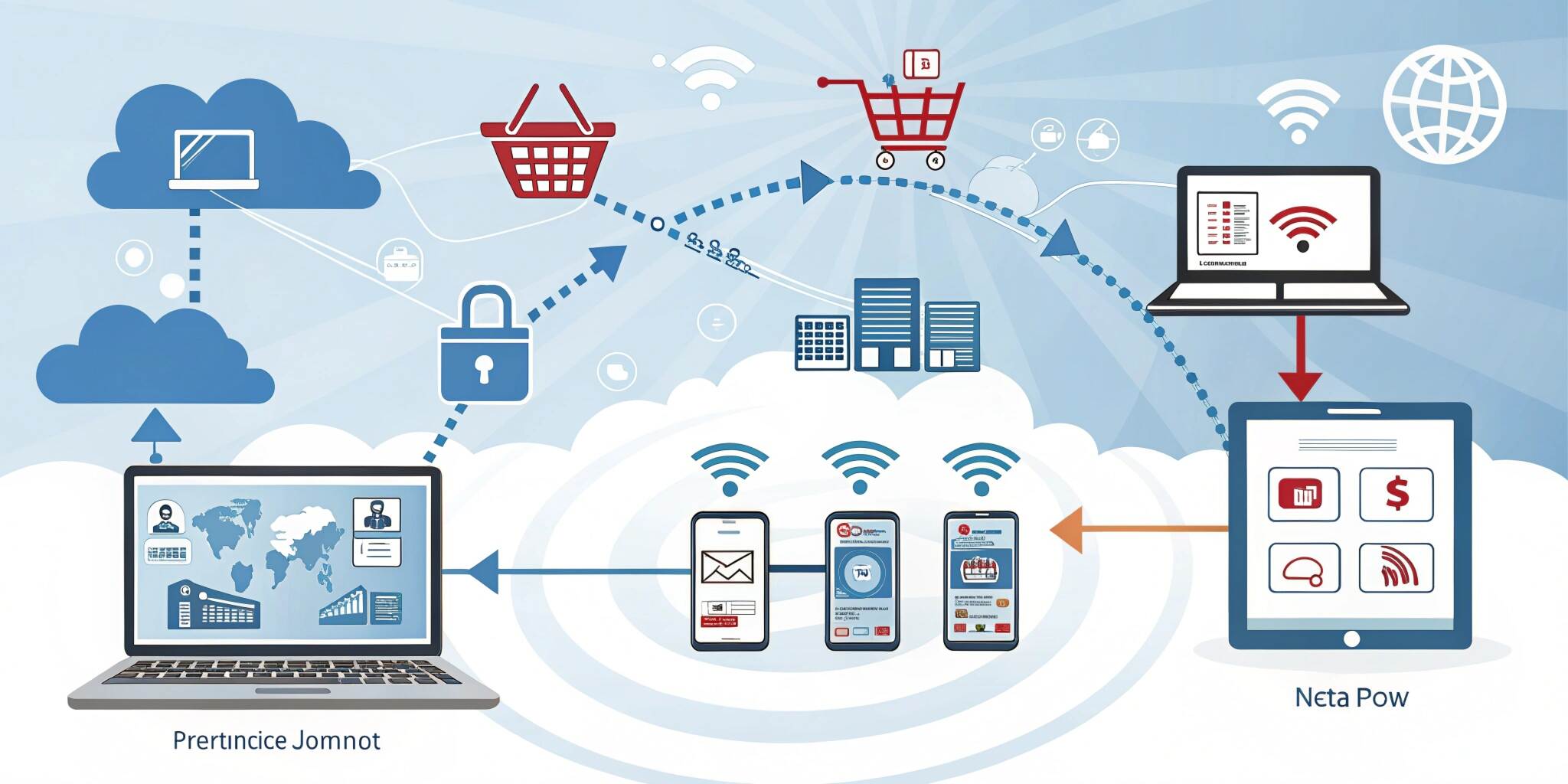
Omnichannel integration refers to the seamless connection of all customer touchpoints—digital and offline—into a unified ecosystem. Unlike multichannel approaches, where each channel operates in isolation, omnichannel strategies ensure that data, messaging, and interactions are synchronized across platforms.
For example, a customer might discover a brand through social media, research products on a website, receive personalized email offers, and complete a purchase via a mobile app. Omnichannel integration ensures that each interaction builds on the previous one, creating a continuous and cohesive experience rather than fragmented touchpoints.
Understanding Full-Funnel Orchestration
Full-funnel orchestration goes beyond integration by strategically managing the entire customer lifecycle—from awareness and consideration to conversion, retention, and advocacy. It aligns marketing, sales, and customer support teams around a shared data foundation and customer view.
This approach ensures that:
- Prospects receive relevant content at each stage of the funnel
- Messaging adapts based on real-time behavior and intent
- Post-purchase engagement is just as personalized as pre-sale marketing
Together, omnichannel integration and full-funnel orchestration create an intelligent system that guides customers naturally through their journey.
Why Omnichannel & Full-Funnel Strategies Matter
Modern customers expect brands to recognize them instantly, regardless of the channel they use. Failing to meet this expectation leads to frustration, lost trust, and churn. Businesses that invest in omnichannel and funnel orchestration benefit from:
- Improved Customer Experience – Consistent messaging and context-aware interactions reduce friction and increase satisfaction.
- Higher Conversion Rates – Personalized, timely engagement nudges customers forward at the right moment.
- Better Data Utilization – Unified data platforms eliminate silos and improve decision-making.
- Increased Customer Lifetime Value – Strong post-purchase journeys encourage repeat business and loyalty.
Key Components of Successful Orchestration
To implement effective omnichannel integration and full-funnel orchestration, organizations need a solid foundation:
- Unified Customer Data Platform (CDP): Centralizes customer data from all sources, enabling a single customer view.
- Marketing Automation Tools: Trigger personalized campaigns across channels based on behavior and lifecycle stage.
- CRM Integration: Aligns sales and marketing with shared insights and customer history.
- AI & Analytics: Predict intent, optimize content, and automate decision-making at scale.
- Consistent Brand Messaging: Ensures tone, visuals, and values remain uniform across all touchpoints.
Real-World Use Cases
Retail brands use omnichannel orchestration to connect online browsing behavior with in-store purchases, offering personalized promotions at checkout. SaaS companies align content marketing, email nurturing, demos, and onboarding to reduce churn. Even B2B organizations leverage full-funnel orchestration to guide long buying cycles with targeted content and sales enablement.
Challenges and How to Overcome Them
Despite its benefits, omnichannel orchestration comes with challenges such as data silos, tool complexity, and organizational misalignment. These can be overcome by:
- Choosing scalable, integration-friendly platforms
- Establishing cross-functional collaboration between teams
- Prioritizing data governance and privacy compliance
- Starting with key touchpoints before expanding
The Future of Omnichannel Orchestration
As AI, machine learning, and real-time analytics evolve, omnichannel strategies will become even more predictive and adaptive. Businesses will shift from reactive engagement to proactive journey design—anticipating customer needs before they are expressed.
Conclusion
Omnichannel integration and full-funnel orchestration are no longer optional—they are fundamental to digital success. By unifying channels, aligning teams, and leveraging data intelligently, businesses can create seamless customer journeys that drive engagement, conversions, and long-term loyalty in an increasingly competitive market.