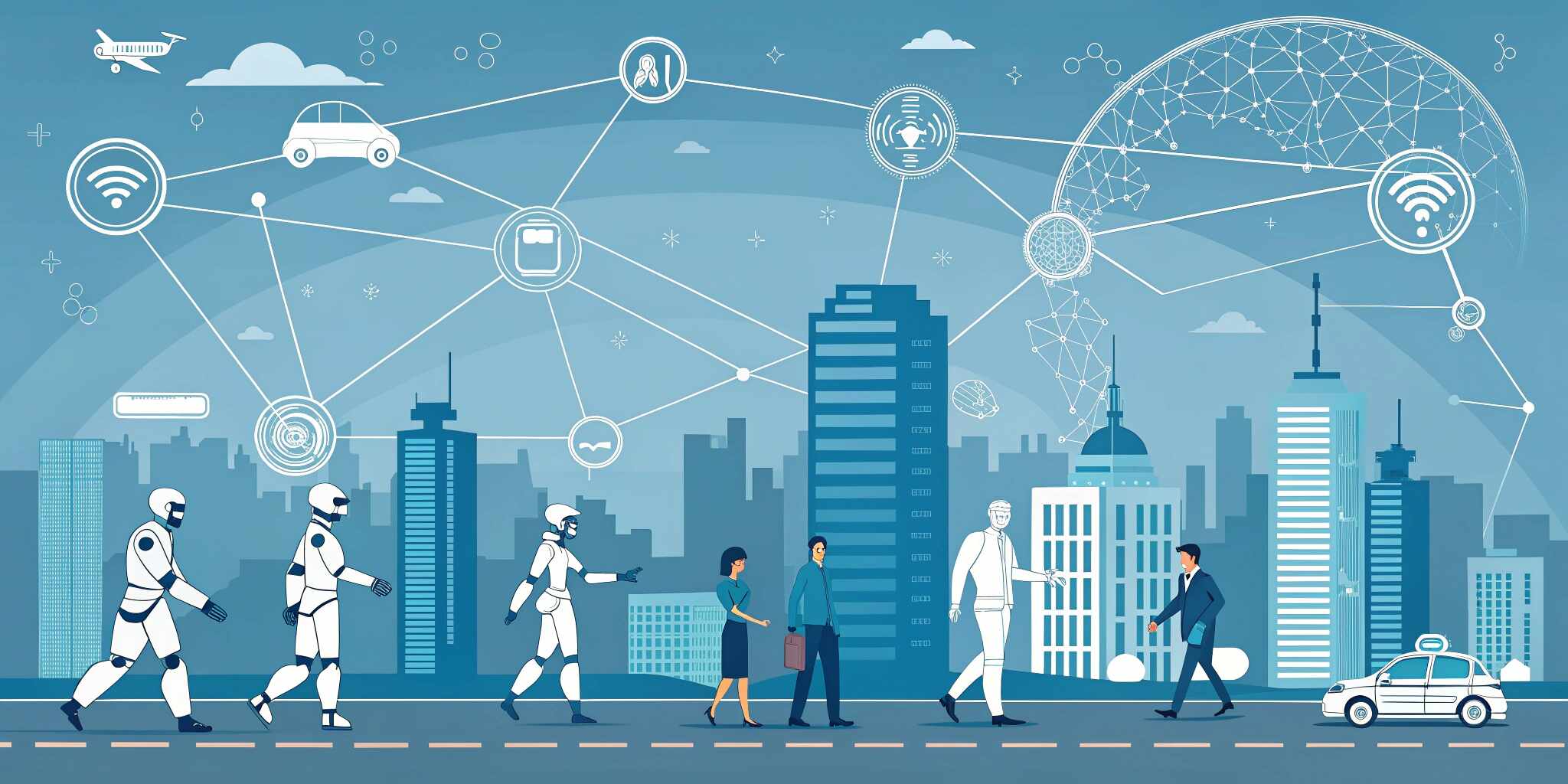
In today’s digital economy, businesses generate massive volumes of data from customer interactions, transactions, social media, and IoT devices. However, data on its own has little value unless it is transformed into meaningful insights. This is where predictive analytics and business intelligence (BI) play a crucial role. Together, they empower organizations to anticipate future trends, optimize processes, and make smarter decisions that fuel growth and competitiveness.
What is Predictive Analytics?
Predictive analytics involves using statistical models, machine learning, and historical data to forecast future outcomes. Unlike descriptive analytics, which explains what has already happened, predictive analytics focuses on what is likely to happen next. For example, an e-commerce company can use predictive analytics to anticipate customer purchase behavior, while a bank may use it to detect fraudulent transactions before they occur.
What is Business Intelligence (BI)?
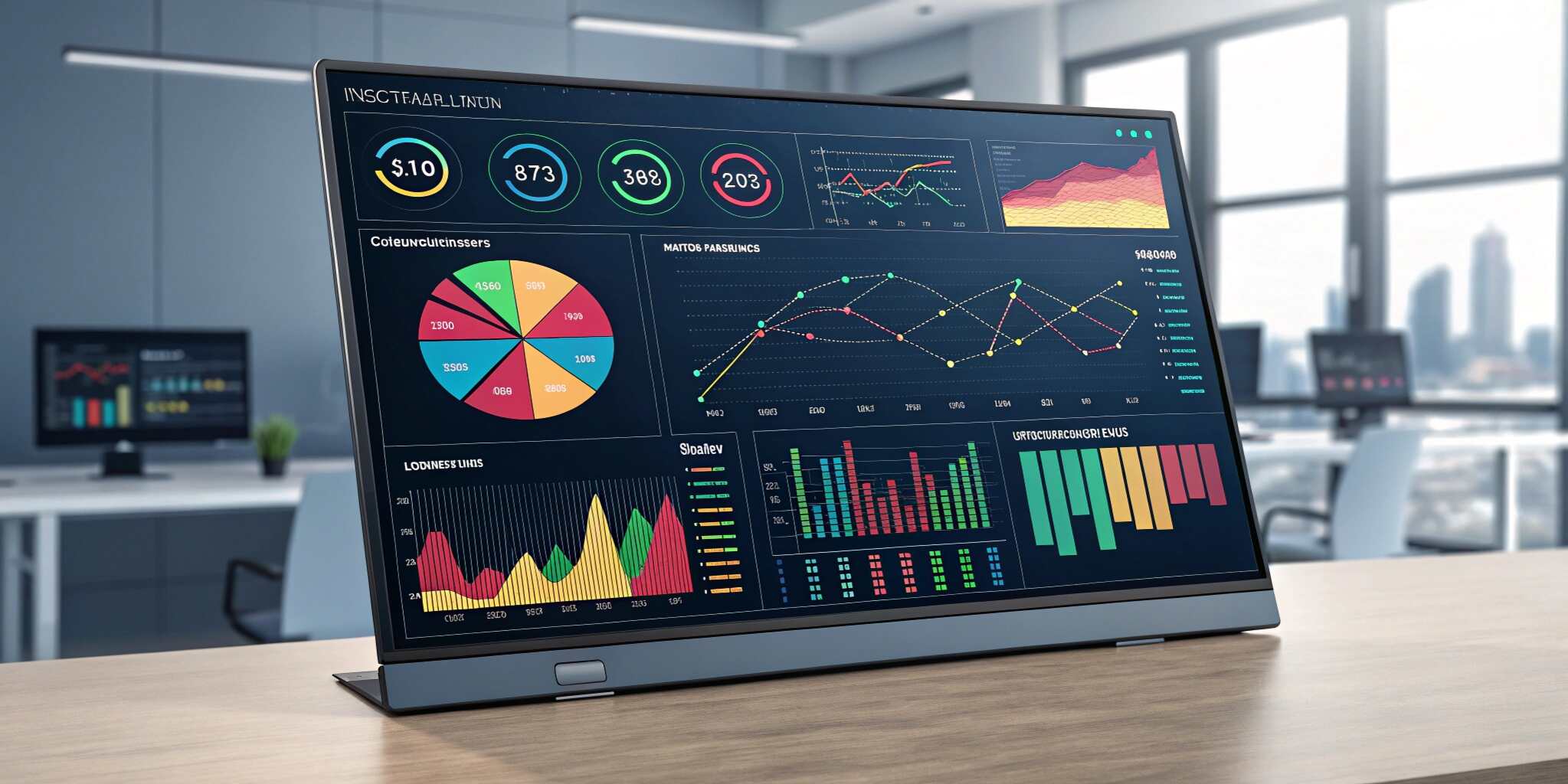
Business Intelligence (BI) refers to the technologies and practices that collect, organize, and analyze data to provide actionable insights. BI tools such as Tableau, Power BI, and Qlik help businesses visualize data through dashboards and reports, making it easier for decision-makers to identify patterns, track performance, and respond effectively. BI answers the “what” and “why” questions, while predictive analytics extends this to “what’s next.”
How Predictive Analytics and BI Work Together
While BI provides a solid foundation by analyzing historical and real-time data, predictive analytics builds on it to offer foresight. For instance, a retail company may use BI dashboards to understand which products sold best last season, while predictive analytics can forecast demand for the upcoming season. Together, they create a comprehensive framework for data-driven strategy.
Key Benefits for Businesses
- Smarter Decision-Making
- Organizations can base decisions on data-driven predictions rather than assumptions, reducing risks and improving outcomes.
- Improved Forecasting
- Predictive analytics helps forecast sales, customer demand, and market shifts, allowing businesses to plan more effectively.
- Enhanced Customer Experience
- Businesses can personalize recommendations, improve customer retention, and optimize support services by anticipating customer needs.
- Operational Efficiency
- BI and predictive analytics can uncover inefficiencies, automate workflows, and reduce costs.
- Risk Management
- Financial institutions, insurers, and healthcare organizations use predictive models to identify potential risks and take proactive measures.
Challenges in Adoption
While the benefits are clear, businesses face challenges in adopting predictive analytics and BI:
- Data Quality: Inaccurate or incomplete data leads to unreliable insights.
- High Costs: Advanced tools and infrastructure may require significant investment.
- Skill Gaps: Data scientists and BI specialists are in high demand but short supply.
- Integration Issues: Combining data from multiple sources can be complex.
Use Cases Across Industries
- Retail: Predicting demand, optimizing inventory, and personalizing shopping experiences.
- Healthcare: Forecasting patient outcomes and improving treatment plans.
- Finance: Fraud detection, credit scoring, and investment risk analysis.
- Manufacturing: Predictive maintenance to reduce downtime and improve efficiency.
- Marketing: Campaign optimization and customer segmentation.
The Future of Predictive Analytics and BI
As artificial intelligence (AI) and machine learning evolve, predictive analytics and BI will become even more powerful. Businesses will be able to leverage real-time analytics, natural language queries, and automated decision-making to gain faster, deeper insights. Cloud-based BI and predictive platforms will further democratize access, enabling organizations of all sizes to compete in a data-driven economy.
Conclusion
Predictive analytics and business intelligence are not just buzzwords—they are essential tools for modern business success. By combining historical insights with predictive foresight, organizations can anticipate changes, optimize operations, and deliver exceptional customer experiences. Companies that embrace these technologies today will be better prepared for the challenges and opportunities of tomorrow.