Introduction
The digital era has reshaped how organizations operate, and IT teams are at the forefront of this transformation. With growing demands for efficiency, speed, and accuracy, robotics and automation have emerged as game-changers in IT operations. These technologies not only reduce repetitive manual tasks but also allow IT professionals to focus on innovation and strategic decision-making.
What is Robotics and Automation in IT?
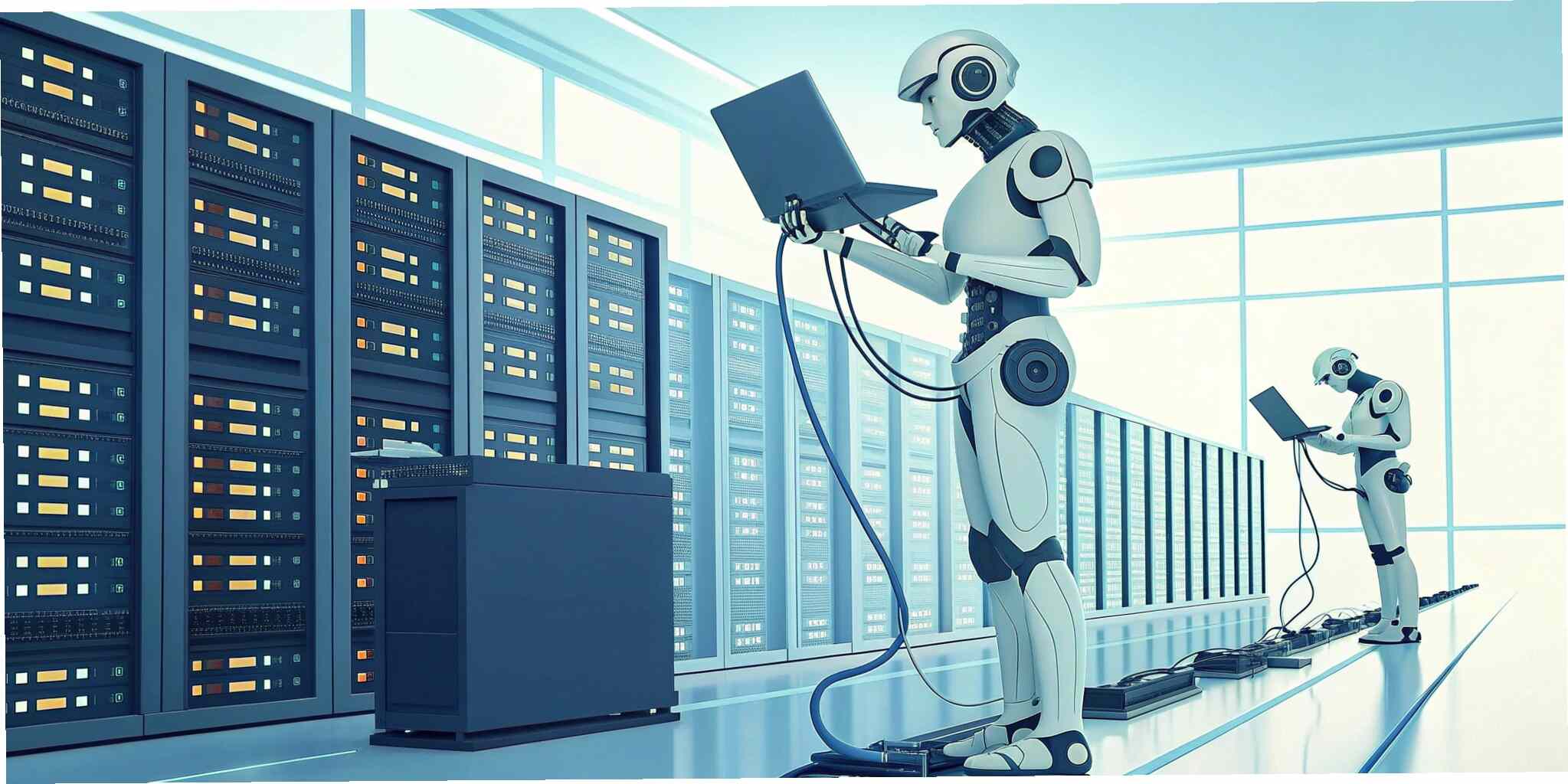
Robotics and automation in IT refer to the use of advanced technologies—such as Robotic Process Automation (RPA), artificial intelligence, and machine learning—to automate repetitive, rule-based tasks traditionally carried out by humans. These systems can handle data entry, system monitoring, ticket management, server maintenance, and even cybersecurity tasks with minimal human intervention.
Key Benefits of Robotics and Automation in IT Operations
Enhanced Efficiency:
Automation reduces manual interventions, ensuring faster execution of routine tasks like software updates, monitoring, and troubleshooting.
Reduced Human Error:
By removing the human element from repetitive tasks, organizations can achieve more accurate outcomes and reduce costly mistakes.
Cost Optimization:
Organizations save significantly on operational costs by automating labor-intensive processes, allowing human resources to be utilized in more complex problem-solving.
Scalability:
Automation allows IT teams to handle growing workloads without increasing staff numbers, ensuring consistent performance during business expansion.
Improved Security:
Automated systems can detect anomalies, monitor network activity, and respond to security threats in real time.
Use Cases of Robotics and Automation in IT Operations
Incident Management:
Automated bots can log, track, and resolve tickets in IT service management systems, reducing response time.
Cloud Infrastructure Management:
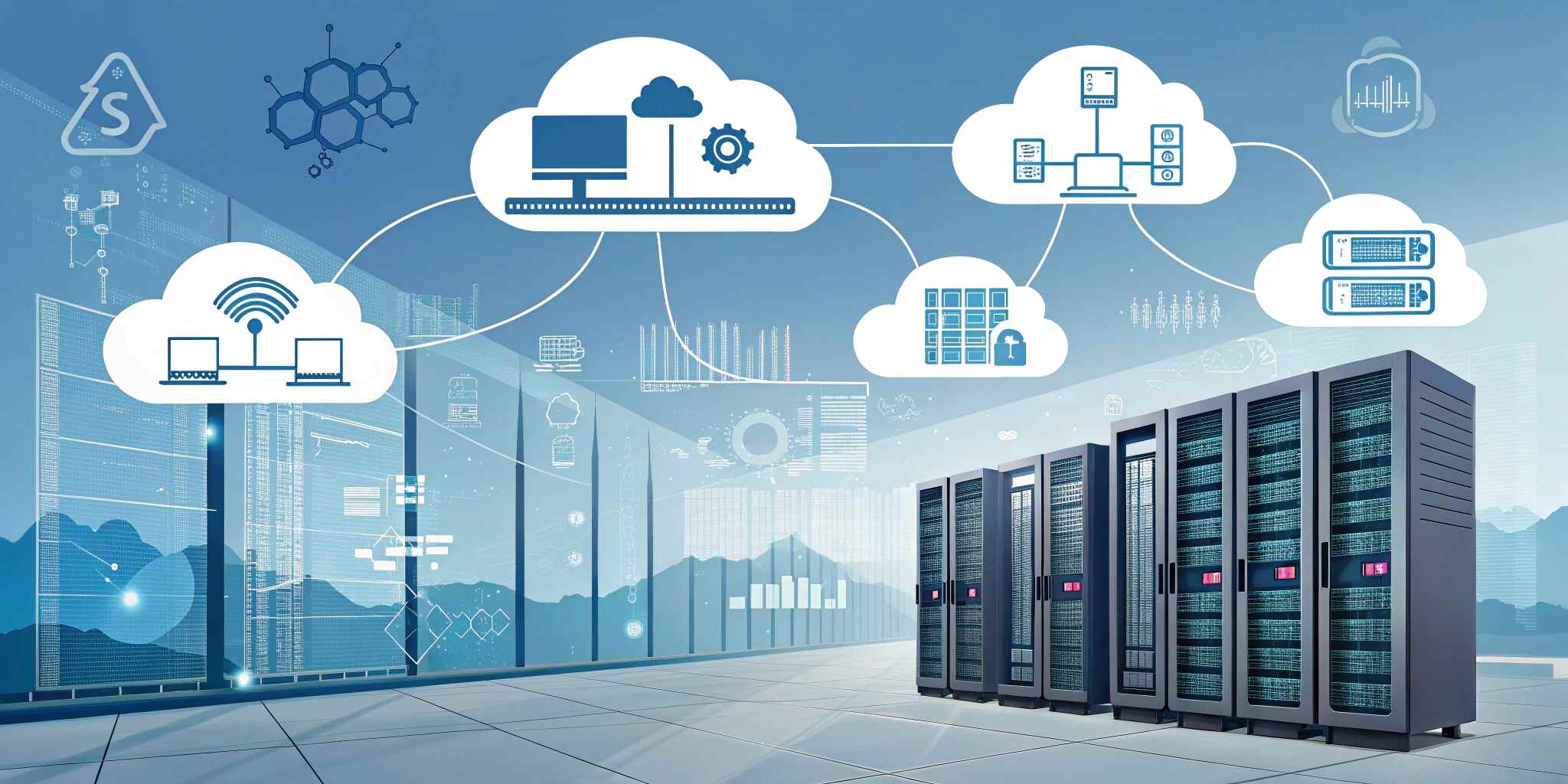
Automation streamlines provisioning, scaling, and monitoring of cloud services, enabling seamless digital transformation.
Data Backup and Recovery:
Robotics ensures regular backups, reducing risks associated with data loss and enhancing disaster recovery.
System Monitoring:
Automated tools continuously monitor system performance and send alerts before issues escalate.
Patch Management:
Applying updates and security patches becomes effortless through robotic automation, ensuring compliance and security.
The Role of AI in IT Automation
Artificial Intelligence plays a crucial role in enhancing automation. AI-driven automation enables predictive analytics, intelligent decision-making, and self-healing IT systems. This creates a shift from traditional automation to autonomous IT operations (AIOps), where systems can resolve issues without human intervention.
Challenges to Implementation
While the benefits are significant, organizations may face challenges such as:
- High initial investment costs
- Employee resistance to change
- Integration with legacy systems
- Data security concerns
Future of Robotics and Automation in IT
The future of IT operations lies in hyperautomation, where RPA, AI, and machine learning converge to create self-sufficient IT ecosystems. This transformation will allow organizations to operate with unprecedented speed, reliability, and scalability.
Conclusion
Robotics and automation are no longer optional in IT operations—they are essential for organizations that want to stay competitive in the digital age. By streamlining workflows, enhancing security, and enabling scalability, automation empowers IT teams to focus on innovation, ensuring long-term success in a rapidly evolving landscape.