Introduction
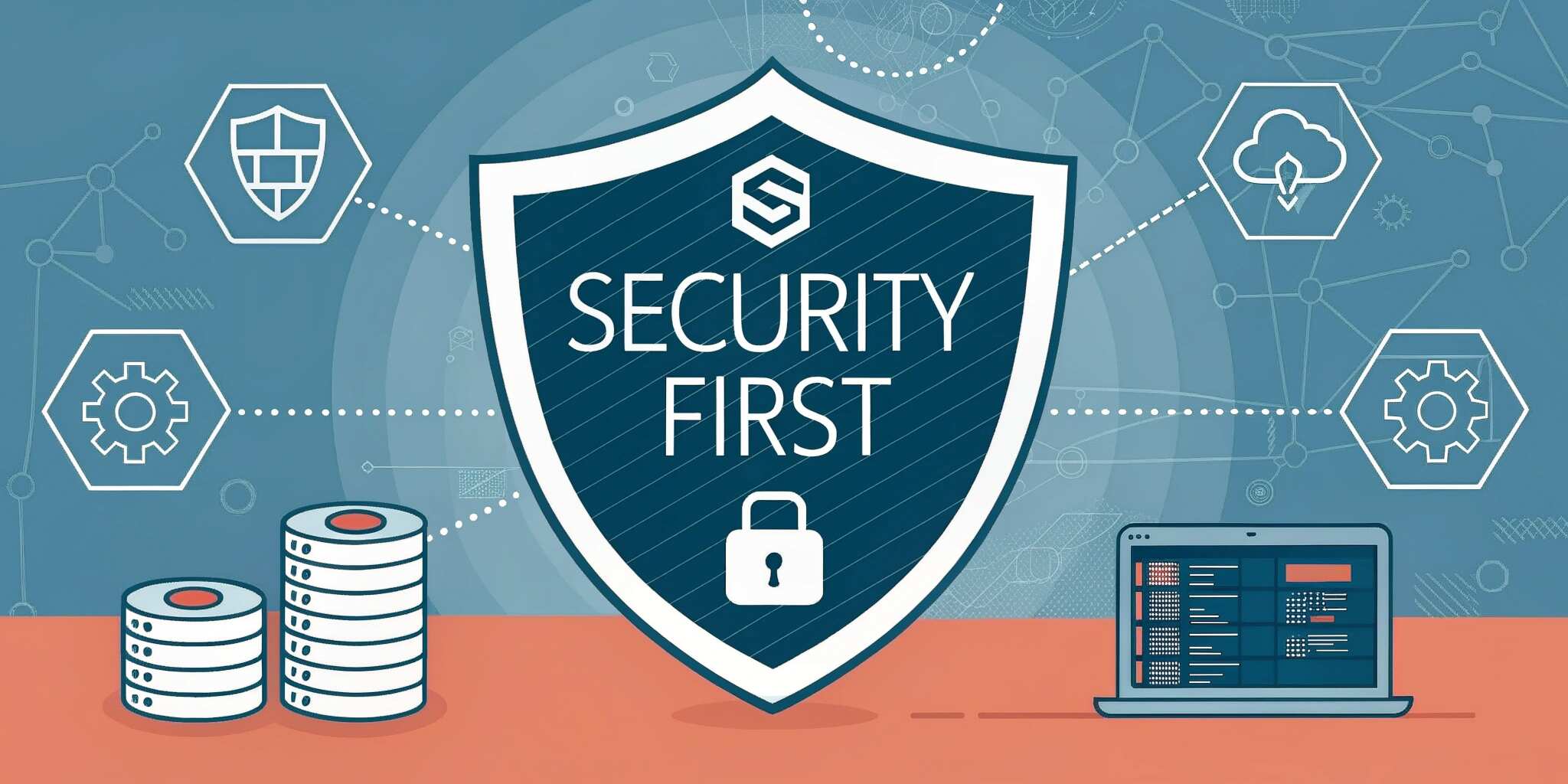
Security in web development is no longer optional—it is a necessity. Laravel, one of the most popular PHP frameworks, offers many built-in tools for securing applications. However, the real safety of your application depends on how effectively you implement these tools. This article explains the essential steps to adopt a security-first mindset in Laravel development.
Keep Laravel and Dependencies Updated
Always keep your Laravel framework and its packages updated. Security patches in updates protect your application from newly discovered vulnerabilities. Regular maintenance ensures you are always one step ahead of attackers.
Enable CSRF Protection
Cross-Site Request Forgery (CSRF) attacks can compromise user actions. Laravel has built-in CSRF protection that verifies tokens for every request, preventing unauthorized actions from being executed.
Validate and Sanitize Input
All user inputs should be validated to prevent common vulnerabilities such as SQL injection and cross-site scripting. Laravel’s validation rules allow you to define strict requirements for incoming data.
Strengthen Authentication
Use Laravel’s authentication features for secure login systems. Apply password hashing, enable two-factor authentication, and implement account lockouts after repeated failed attempts.
Use HTTPS for All Requests
Secure all communication between server and client with HTTPS. This encrypts the data and prevents eavesdropping or tampering during transmission.
Encrypt Sensitive Information
Store confidential data such as API keys and user details in an encrypted format. Laravel provides easy-to-use encryption features for added protection.
Prevent Mass Assignment
Restrict which fields can be updated through mass assignment. Define specific attributes that are allowed to be mass-assigned to avoid unauthorized data changes.
Apply Rate Limiting
Prevent brute-force attacks by limiting the number of requests a user can make in a certain timeframe. Laravel’s rate-limiting feature helps control access and protect resources.
Conduct Regular Security Audits
Perform security testing and audits periodically to identify and fix weaknesses. Simulate potential attack scenarios to ensure the application is resilient against threats.
Conclusion
Security-first Laravel development is a continuous process. By following these best practices, you can build applications that are not only functional and high-performing but also safe and trustworthy.