Main Content
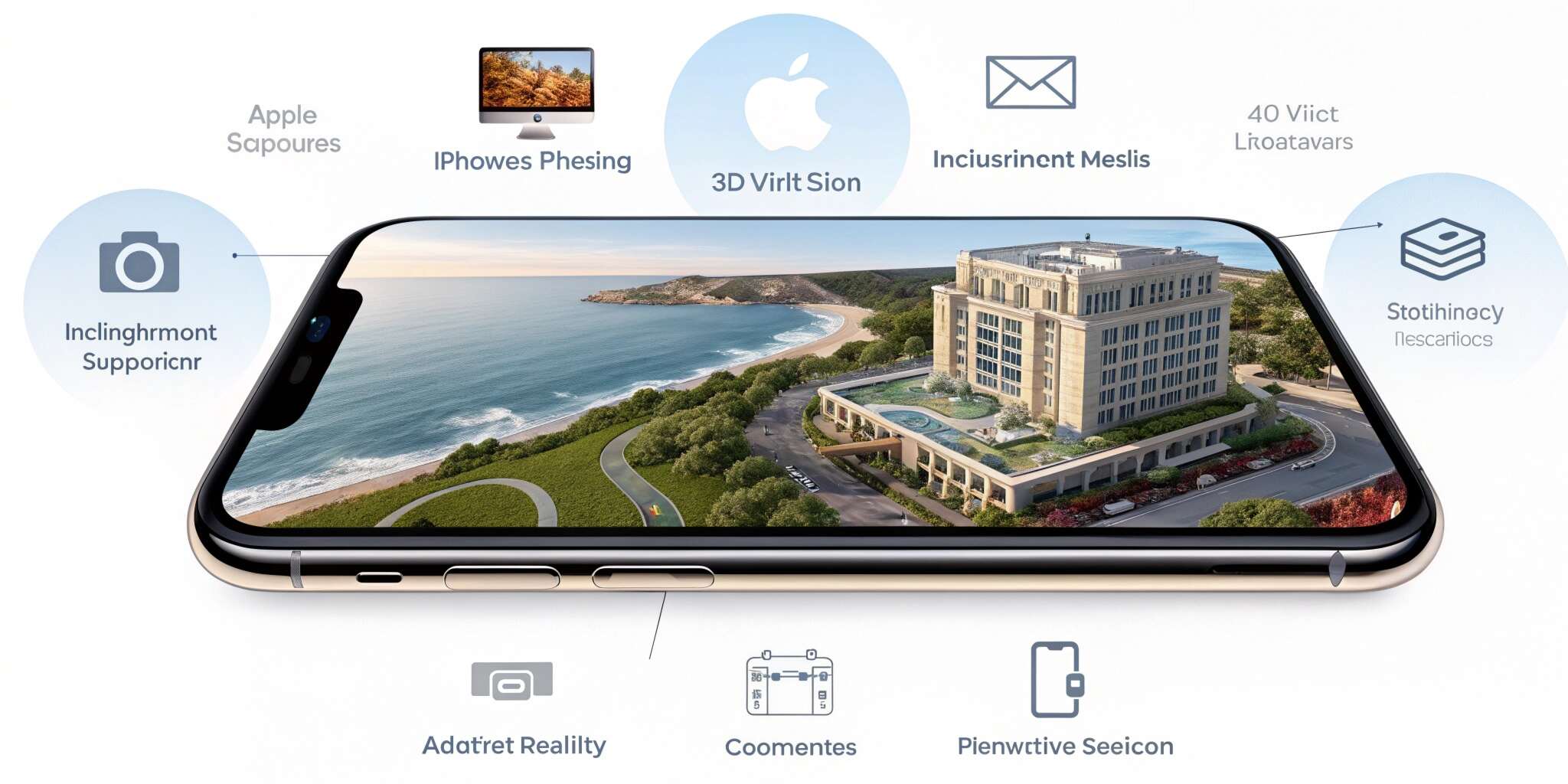
Apple’s iOS ecosystem has always focused on delivering premium user experiences, and in recent years, smarter photos, advanced media handling, and augmented reality (AR) integration have become key pillars of innovation. With the combination of machine learning, computer vision, and AR frameworks, iOS is redefining how users interact with visual content.
Smarter Photos Through Intelligence
iOS has significantly evolved the way photos are captured, organized, and enhanced. Apple’s Photos app uses on-device machine learning to recognize faces, objects, locations, and events. This allows users to search photos using natural language, such as “beach,” “birthday,” or “dog,” without manually tagging images.
For developers, Apple provides powerful frameworks like Vision and Core ML. These tools allow apps to perform image classification, object detection, text recognition, and facial analysis directly on the device. The advantage is improved privacy, reduced latency, and better performance. Apps like smart galleries, fitness trackers, and e-commerce platforms use these capabilities to offer intelligent recommendations and personalized experiences.
Advanced Media Processing in iOS
Media handling in iOS has become more sophisticated with improved video encoding, real-time filters, cinematic mode, and spatial audio support. Apple’s AVFoundation and Metal frameworks enable developers to process high-resolution images and videos efficiently while maintaining battery performance.
Features such as real-time background blur, object tracking in videos, and HDR rendering allow apps to deliver professional-grade media experiences. Content creators benefit from smoother editing tools, while social media and streaming apps gain higher visual quality and immersive playback features.
AR Integration: Bridging Digital and Physical Worlds
Augmented reality is one of the most impactful innovations in iOS. ARKit, Apple’s AR framework, allows developers to create immersive AR experiences by understanding the real-world environment. It uses motion tracking, scene geometry, and light estimation to place virtual objects naturally within physical spaces.
From gaming and education to retail and real estate, AR integration has transformed user engagement. For example, furniture apps allow users to visualize products in their homes, while educational apps bring complex concepts to life through interactive 3D models.
AI, Computer Vision, and AR Working Together
The real power of iOS lies in how smarter photos, media, and AR work together. A retail app can scan real-world objects using the camera, identify them through machine learning, and overlay AR information instantly. Fitness apps can analyze posture through computer vision while providing real-time AR guidance.
Apple’s focus on on-device processing ensures these experiences remain fast and secure. Users get intelligent features without sacrificing privacy, which has become a critical factor in modern app adoption.
Benefits for Developers and Businesses
For developers, iOS offers a rich ecosystem of tools to build next-generation apps. Smarter photo analysis reduces manual effort, advanced media processing improves engagement, and AR integration creates memorable experiences. Businesses benefit from higher user retention, improved personalization, and innovative brand interactions.
Industries such as healthcare, education, gaming, and digital marketing are already leveraging these technologies to stand out in competitive markets.
The Future of Visual Intelligence in iOS
As Apple continues to invest in AI and AR, future iOS versions will likely introduce even more advanced visual intelligence. Expect deeper integration of spatial computing, real-time object understanding, and enhanced AR wearables. For developers, staying updated with these tools will be essential to building impactful and future-ready applications.