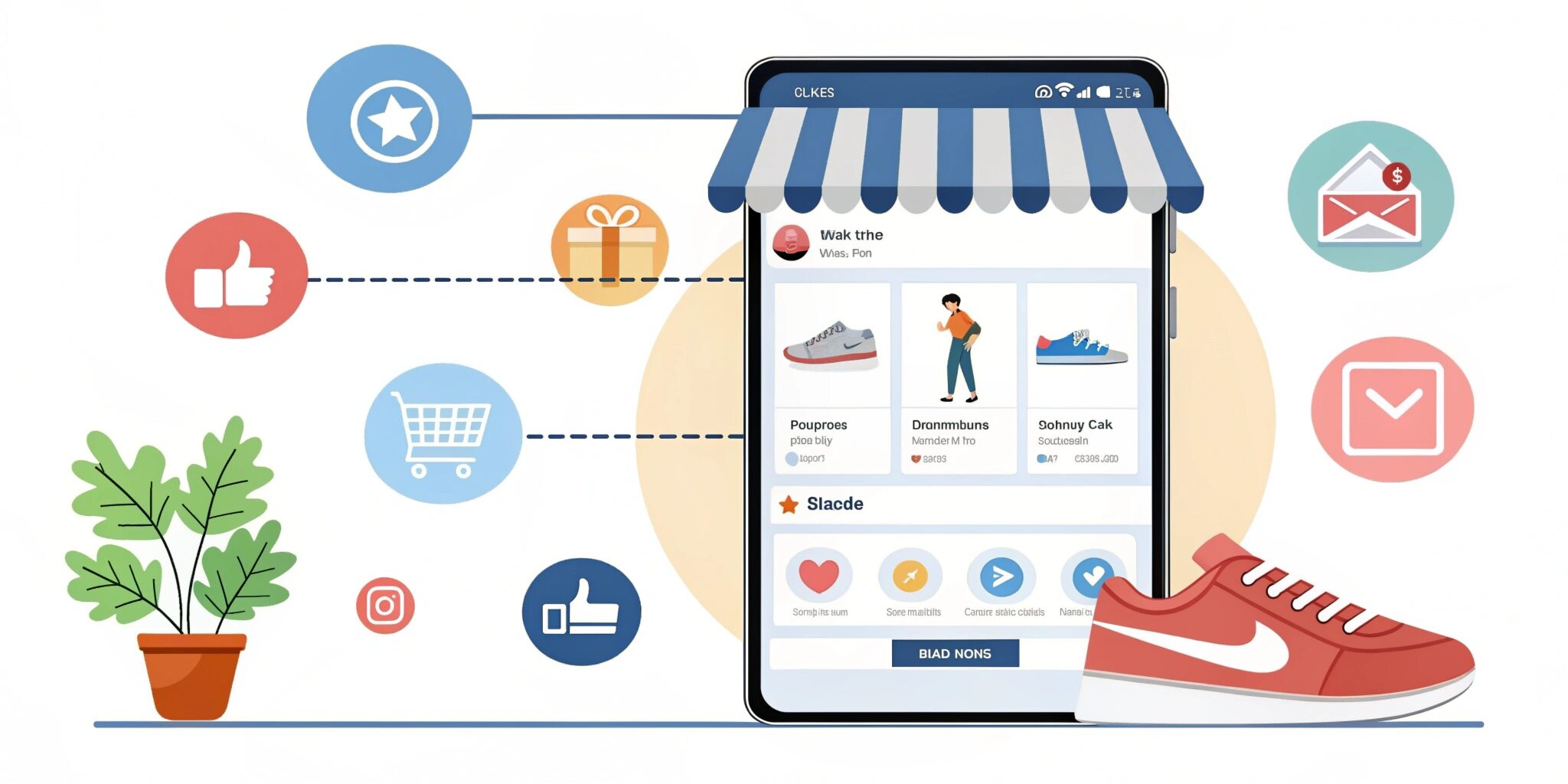
The way consumers shop online has changed dramatically. Today’s buyers expect seamless, fast, and engaging shopping experiences—without leaving their favorite social media platforms. This shift has given rise to social and shoppable commerce, a powerful blend of social engagement and e-commerce functionality that is transforming how brands connect with customers and drive sales.
What Is Social & Shoppable Commerce?
Social commerce refers to selling products directly through social media platforms, while shoppable commerce enables users to purchase products via clickable posts, stories, videos, or live streams. Together, they create an integrated shopping journey where discovery, engagement, and checkout happen in one continuous flow.
Instead of redirecting users to external websites, social and shoppable commerce reduces friction and shortens the buyer journey, resulting in higher conversion rates.
Why Social Commerce Is Growing Rapidly
The growth of social commerce is driven by changing consumer behavior. People spend significant time on social platforms, discovering brands through influencers, reels, and recommendations.
Key factors fueling adoption include:
- Mobile-first shopping habits
- Trust in peer reviews and influencer recommendations
- Instant product discovery
- Seamless checkout experiences
Consumers prefer convenience, and social commerce delivers it.
Key Platforms Powering Social & Shoppable Commerce
Several platforms have become leaders in social commerce:
Instagram Shopping allows brands to tag products in posts, stories, and reels, enabling direct purchases.
Facebook Shops provides a customizable storefront within Facebook and Instagram.
TikTok Shopping combines short-form video content with in-app shopping, creating highly engaging, impulse-driven purchases.
Pinterest Shopping supports visual discovery and product pins, making it ideal for inspiration-based shopping.
Each platform offers unique features, but the goal remains the same—make shopping effortless.
Benefits of Social & Shoppable Commerce for Brands
Social and shoppable commerce delivers multiple advantages:
- Higher engagement and conversion rates
- Reduced customer acquisition costs
- Improved brand visibility
- Data-driven personalization
- Stronger customer relationships
By meeting customers where they already are, brands can build trust and drive repeat purchases.
Role of Technology and Integration
Behind the scenes, social commerce relies on robust technology. Integration with e-commerce platforms, payment gateways, inventory management systems, and analytics tools is critical for success.
Technologies such as AI and machine learning help personalize recommendations, optimize pricing, and predict customer behavior. Seamless API integration ensures real-time product updates and smooth order processing.
Content Strategy for Shoppable Experiences
Content is the backbone of social commerce. Brands must create engaging, authentic, and visually appealing content that encourages interaction and purchase.
Effective content formats include:
- Product demos and tutorials
- Influencer collaborations
- User-generated content
- Live shopping events
- Short-form videos and reels
Storytelling plays a key role in influencing buying decisions.
Best Practices for Implementing Social Commerce
To succeed in social and shoppable commerce, brands should:
- Optimize product catalogs for social platforms
- Use high-quality visuals and videos
- Leverage influencers and brand advocates
- Focus on mobile-friendly experiences
- Track performance and optimize continuously
Consistency across platforms strengthens brand trust and recognition.
Challenges and Considerations
Despite its benefits, social commerce also presents challenges such as platform dependency, data privacy concerns, and evolving algorithms. Brands must stay agile and compliant while diversifying their digital presence.
Final Thoughts
Social and shoppable commerce represents the future of digital selling. By blending social engagement with seamless shopping experiences, brands can create meaningful connections and drive measurable business growth. As platforms continue to innovate, businesses that embrace social commerce early will gain a competitive advantage in the evolving digital marketplace.