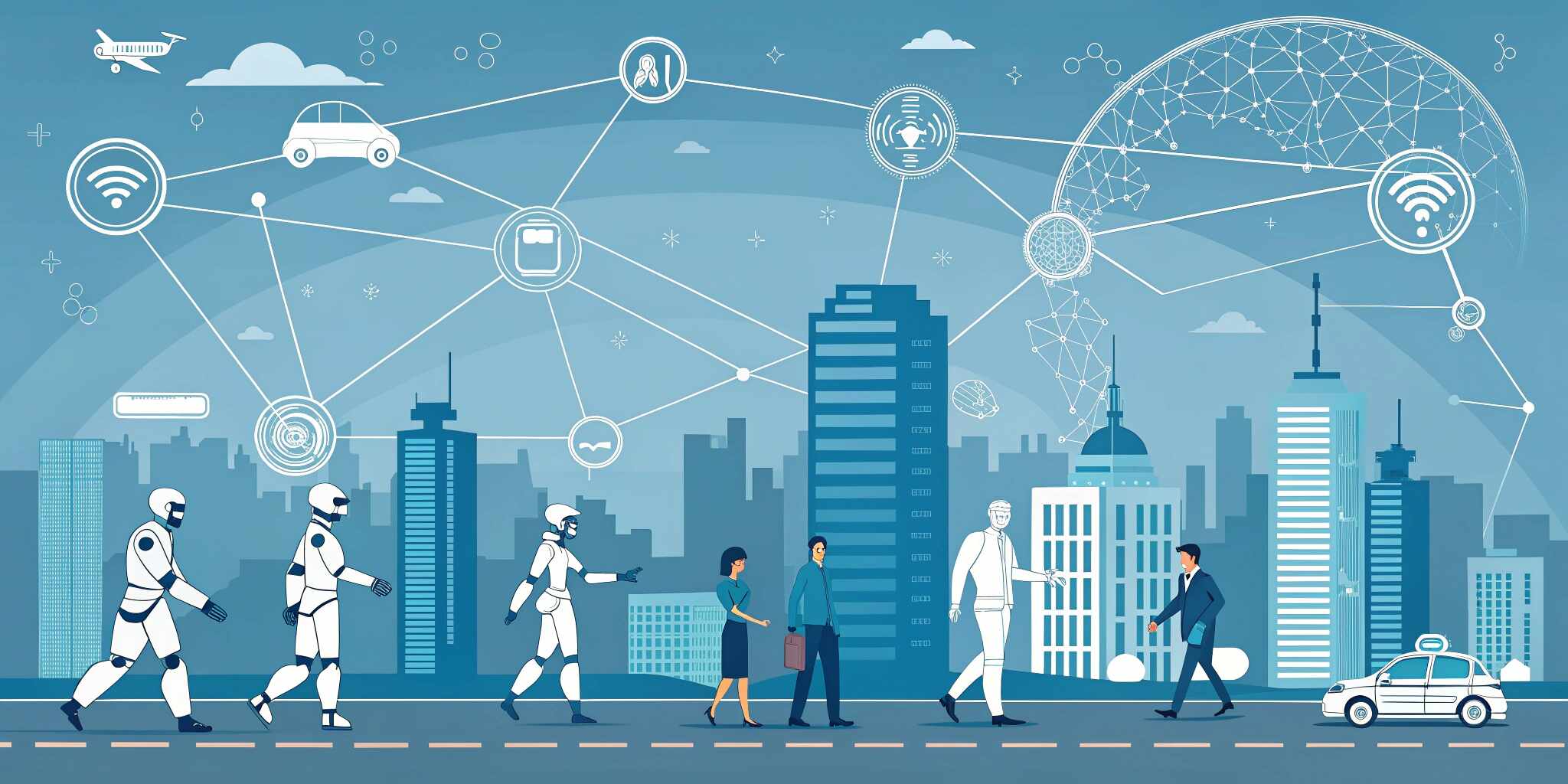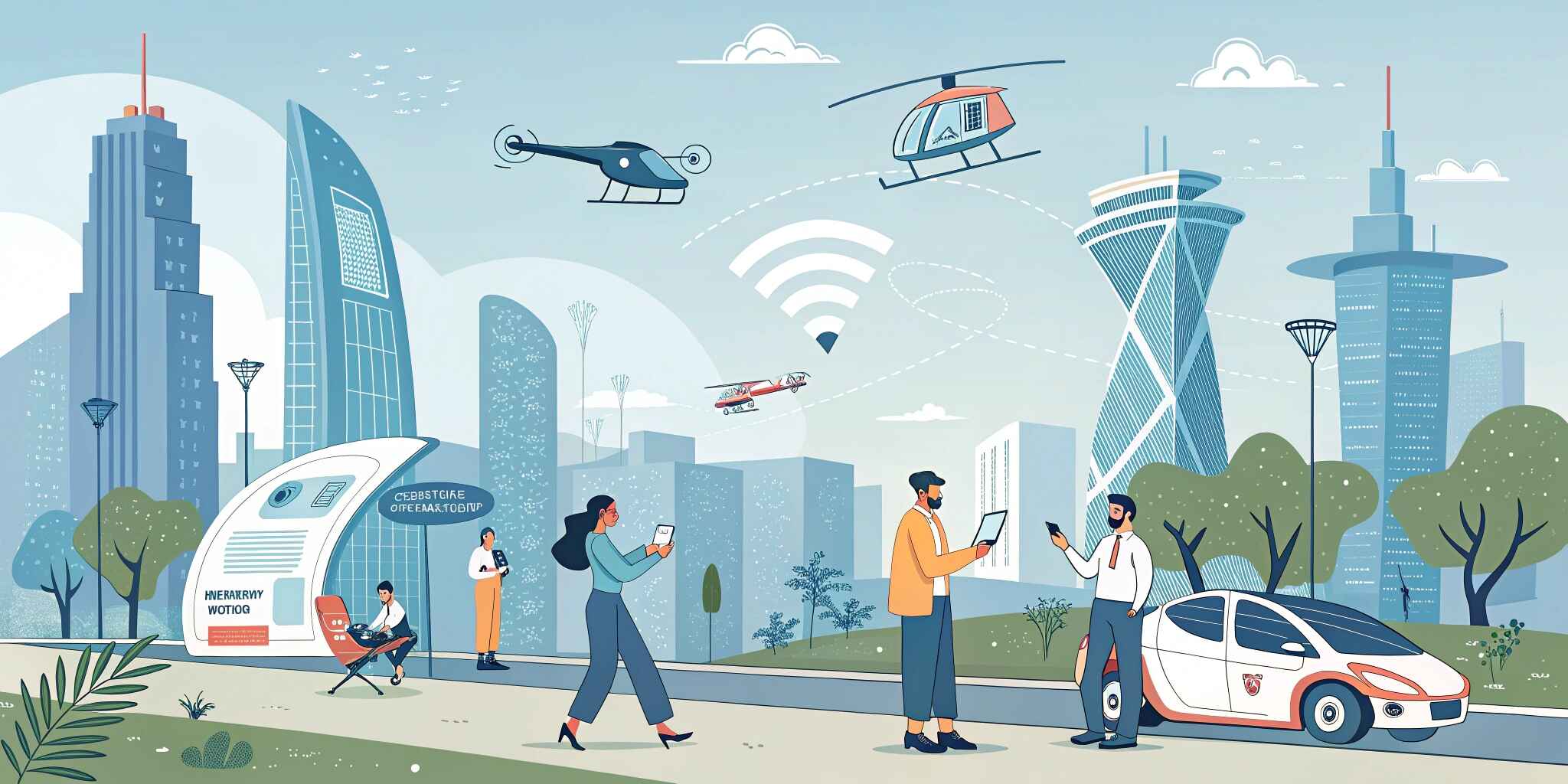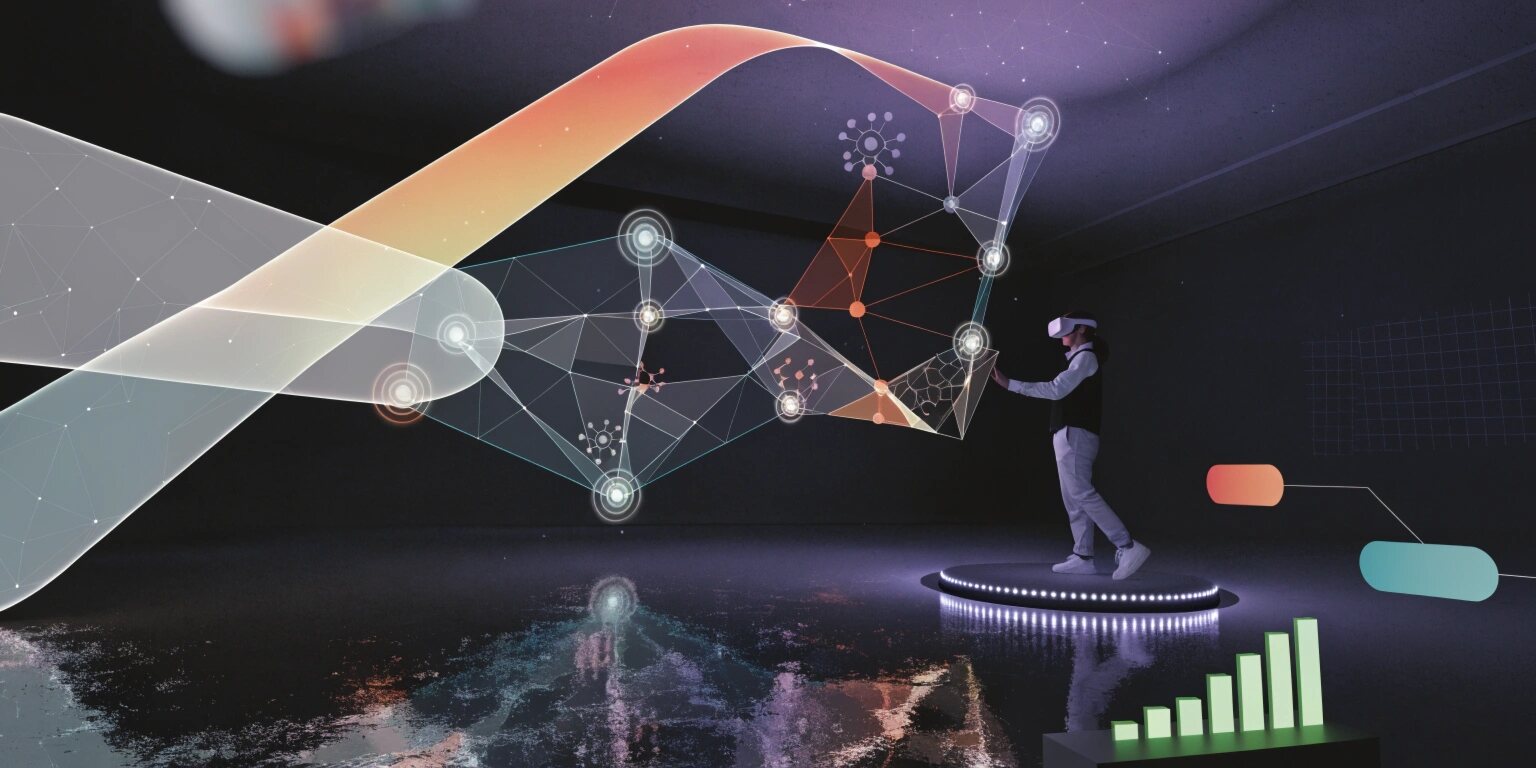
Technology is rapidly evolving beyond traditional screens and keyboards. Spatial computing is ushering in a new era where digital content seamlessly integrates with the physical world, allowing users to interact with virtual objects as naturally as they interact with real ones. By combining technologies such as Augmented Reality (AR), Virtual Reality (VR), Mixed Reality (MR), Artificial Intelligence (AI), Computer Vision, and Internet of Things (IoT), spatial computing enables immersive experiences that enhance productivity, learning, entertainment, and collaboration.
As powerful devices, sensors, and AI capabilities continue to advance, spatial computing is becoming increasingly relevant across industries. From healthcare and education to manufacturing and gaming, organizations are leveraging this technology to solve complex challenges and create innovative user experiences.
What Is Spatial Computing?
Spatial computing is a technology paradigm that allows computers to understand and interact with the three-dimensional physical environment. Unlike conventional computing, which primarily relies on flat displays and input devices, spatial computing uses cameras, sensors, depth mapping, and AI to interpret surroundings and place digital objects within real-world spaces.
Core technologies that power spatial computing include:
- Augmented Reality (AR)
- Virtual Reality (VR)
- Mixed Reality (MR)
- Artificial Intelligence (AI)
- Computer Vision
- Spatial Mapping
- Depth Sensing
- IoT Connectivity
- 3D Graphics Rendering
- Gesture and Voice Recognition
Together, these technologies create interactive environments where users can manipulate digital information naturally.
Key Benefits of Spatial Computing
Organizations are increasingly adopting spatial computing because it offers several advantages:
- Enhanced user engagement through immersive interactions
- Better visualization of complex data
- Improved collaboration in remote environments
- Faster employee training using simulations
- Increased operational efficiency
- Reduced costs for prototyping and maintenance
- More intuitive human-computer interaction
- Real-time decision-making with contextual information
These benefits make spatial computing valuable for businesses seeking innovation and competitive advantage.
Applications Across Industries
1. Healthcare
Healthcare professionals use spatial computing to improve diagnosis, treatment planning, and medical education.
Applications include:
- Surgical planning with 3D anatomical models
- AR-assisted surgeries
- Medical student training through VR simulations
- Patient rehabilitation programs
- Remote consultations with immersive visualization
Doctors can examine complex medical structures from multiple perspectives before performing procedures.
2. Education and Training
Educational institutions use immersive technologies to create engaging learning experiences.
Examples include:
- Virtual science laboratories
- Historical site exploration
- Interactive engineering simulations
- Language learning through immersive environments
- Technical skills training for professionals
Students gain hands-on experience in safe, controlled environments.
3. Gaming and Entertainment
The gaming industry has been one of the earliest adopters of spatial computing.
Popular use cases include:
- Mixed reality gaming
- Immersive VR adventures
- Interactive storytelling
- Location-based AR games
- Motion-controlled gameplay
Spatial computing increases realism and player engagement by allowing natural movement and interaction.
4. Manufacturing
Manufacturers use spatial computing to optimize production and maintenance.
Applications include:
- Equipment maintenance guidance
- Factory layout visualization
- Digital twins for production monitoring
- Quality inspection
- Worker safety training
Technicians receive real-time instructions overlaid directly onto machinery, reducing errors and downtime.
5. Retail and E-commerce
Retailers are enhancing shopping experiences with spatial computing.
Examples include:
- Virtual try-on solutions
- AR furniture placement
- Interactive product visualization
- Virtual showrooms
- Personalized shopping experiences
Customers can better understand products before making purchasing decisions, reducing returns and increasing satisfaction.
6. Architecture and Construction
Spatial computing helps architects and engineers visualize projects before construction begins.
Applications include:
- 3D building walkthroughs
- Construction progress monitoring
- Design collaboration
- Clash detection
- Client presentations
This improves planning accuracy and communication among project stakeholders.
7. Smart Cities
Urban planners use spatial computing to improve city management.
Common applications include:
- Traffic visualization
- Infrastructure planning
- Public safety monitoring
- Utility management
- Environmental analysis
By combining real-time sensor data with 3D city models, authorities can make more informed decisions.
The Role of AI in Spatial Computing
Artificial Intelligence plays a critical role in making spatial computing systems intelligent and adaptive.
AI enables:
- Object recognition
- Scene understanding
- Gesture tracking
- Voice interaction
- Predictive analytics
- Real-time environment mapping
- Personalized user experiences
These capabilities allow applications to respond dynamically to users and their surroundings.
Challenges of Spatial Computing
Despite its potential, spatial computing presents several challenges:
High Hardware Costs
Advanced headsets, sensors, and processing hardware can be expensive, limiting widespread adoption.
Privacy Concerns
Spatial computing devices often capture environmental data, raising questions about user privacy and data security.
Performance Requirements
Rendering high-quality 3D environments requires significant computing power and optimized software.
User Adoption
Some users may require time to become comfortable with gesture-based interactions and wearable devices.
Content Development
Creating immersive experiences demands specialized skills in 3D design, AR/VR development, and user experience design.
Future Trends
Spatial computing continues to evolve rapidly with innovations such as:
- AI-powered digital assistants in 3D environments
- Persistent augmented reality experiences
- Advanced digital twins for industries
- Cloud-based spatial rendering
- Lightweight AR glasses
- Haptic feedback integration
- 5G-enabled real-time collaboration
- Autonomous robots using spatial awareness
These advancements will make immersive technologies more accessible, scalable, and practical across industries.
Conclusion
Spatial computing represents a major shift in the way people interact with digital information. By merging the physical and digital worlds, it enables more intuitive, immersive, and productive experiences across healthcare, education, manufacturing, retail, gaming, and urban planning.
As AR, VR, AI, and IoT technologies continue to mature, spatial computing will play an increasingly important role in driving digital transformation. Organizations that invest in this technology today will be well-positioned to create innovative solutions, improve operational efficiency, and deliver richer user experiences in the years ahead.