Main Content
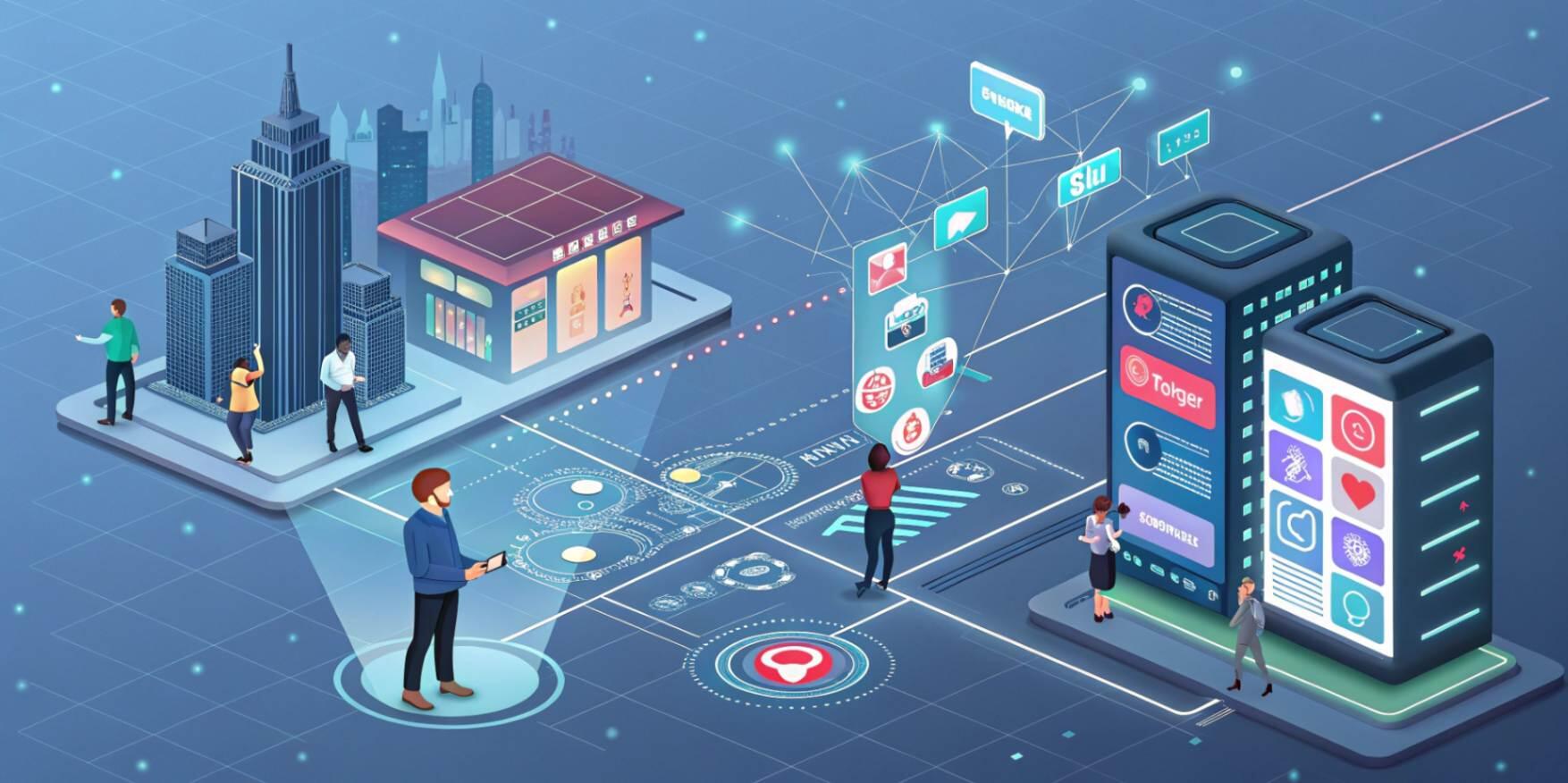
In today’s rapidly evolving digital world, users no longer want fragmented applications for every task. They expect seamless, all-in-one experiences that simplify daily life. This demand has given rise to super apps and social-first ecosystems, a transformative trend shaping the future of digital platforms in 2026 and beyond.
What Are Super Apps?
Super apps are platforms that combine multiple services—such as messaging, payments, shopping, booking, and content—into a single application. Instead of switching between apps, users can perform various activities within one ecosystem. Popular global examples include WeChat, Grab, and Gojek, which have successfully integrated everyday services into unified platforms.
The strength of super apps lies in convenience, personalization, and retention. Once users enter the ecosystem, they are more likely to stay, interact, and transact repeatedly.
Understanding Social-First Ecosystems
A social-first ecosystem places social interaction at the core of the user experience. Features like chat, communities, creator tools, live streaming, and social commerce are deeply embedded into the platform. Rather than treating social engagement as an add-on, it becomes the foundation upon which services are built.
Social-first design encourages organic growth, trust, and user-generated content. When users interact socially, they form habits, build loyalty, and drive peer-to-peer recommendations—key factors for long-term platform success.
Why Super Apps and Social Ecosystems Are Growing
Several factors are accelerating the adoption of super apps and social-first ecosystems:
- User Experience Simplification – One login, one interface, multiple services.
- Mobile-First Markets – Emerging markets favor all-in-one solutions due to limited device storage and bandwidth.
- Social Commerce Boom – Shopping directly through social interactions increases conversions.
- AI-Powered Personalization – AI helps tailor content, offers, and services to individual users.
- Mini Apps & Modular Architecture – Businesses can add new features without rebuilding the entire platform.
Key Features of Modern Super Apps
Modern super apps are built on scalable and flexible architectures. Core features include:
- Integrated messaging and social feeds
- Digital wallets and payment gateways
- E-commerce and service marketplaces
- Third-party mini apps or plugins
- AI-driven recommendations
- Strong data security and privacy controls
These features work together to create an ecosystem rather than a standalone application.
Business Benefits of Super Apps
For businesses, super apps unlock multiple advantages. They improve customer lifetime value by keeping users within one ecosystem. Cross-selling becomes easier, data insights are richer, and marketing costs decrease due to built-in social virality.
Social-first ecosystems also empower creators and partners, enabling platforms to grow faster through collaboration rather than isolated development.
Challenges to Consider
Despite their advantages, super apps come with challenges. Development complexity, data privacy concerns, and regulatory compliance require careful planning. Maintaining performance while scaling multiple services is another critical factor businesses must address.
The Future Outlook
By 2026, super apps will move beyond convenience to become intelligent digital companions. AI, voice interfaces, and decentralized services will further enhance ecosystem experiences. Businesses that invest early in social-first, modular platforms will gain a strong competitive edge in the digital economy.
Final Thoughts
Super apps and social-first ecosystems are not just a trend—they represent a fundamental shift in how digital platforms are designed and experienced. Companies that embrace this approach will be better positioned to meet evolving user expectations and drive sustainable growth.