Introduction:
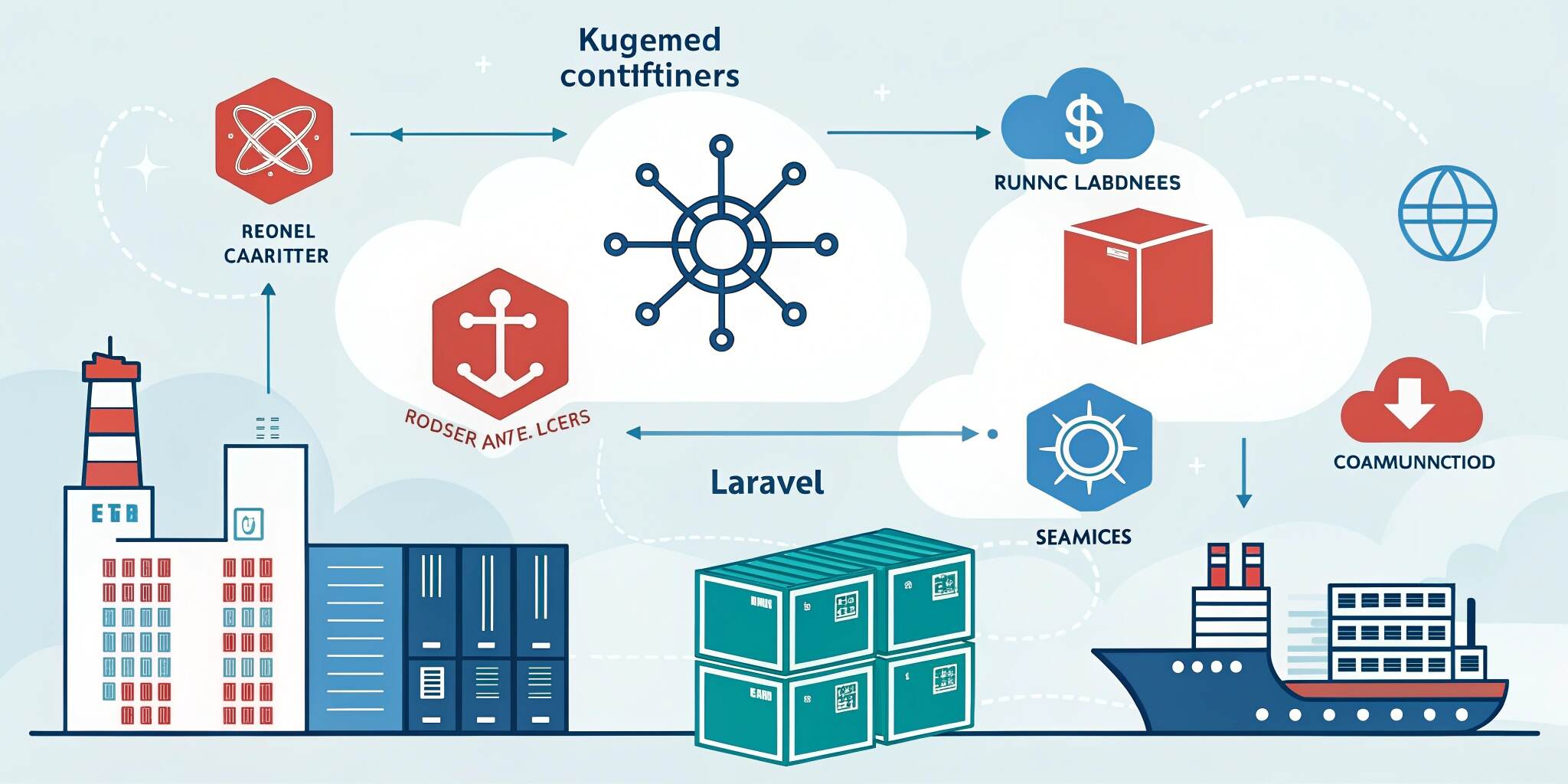
In today's fast-paced development world, delivering scalable, reliable, and maintainable applications is crucial. Laravel, a top PHP framework, becomes even more powerful when paired with Docker and Kubernetes. Together, they form a robust DevOps ecosystem for modern web applications.
Why Laravel + Docker?
1. Containerized Development:
Docker enables you to package Laravel applications with all dependencies, ensuring consistency across development, staging, and production environments. No more “it works on my machine” issues.
2. Simplified Environment Setup:
Using Docker Compose, developers can spin up services like MySQL, Redis, or Nginx with a single command, making onboarding quicker and cleaner.
3. Isolation and Modularity:
Docker ensures clean separation of services, allowing you to build microservices around Laravel, which is especially useful for large applications.
Why Add Kubernetes to the Stack?
1. Scalability & High Availability:
Kubernetes orchestrates container deployment, scaling Laravel horizontally across nodes. It handles auto-restarts, rollbacks, and load balancing out of the box.
2. CI/CD Integration:
Kubernetes integrates seamlessly with DevOps pipelines, enabling automated testing and deployments. Laravel applications can be deployed in multiple environments with minimal manual intervention.
3. Observability & Monitoring:
Using tools like Prometheus and Grafana, you can monitor your Laravel application performance within Kubernetes clusters and respond proactively to issues.
Popular Tools & Techniques:
- Laradock and Sail for local Dockerized development.
- Helm Charts to manage Laravel deployments on Kubernetes.
- GitHub Actions / GitLab CI/CD for deployment pipelines.
- Envoy or Istio for advanced service mesh features in Laravel microservices.
Challenges & Best Practices:
Challenges:
- Steeper learning curve for Docker and Kubernetes.
- Misconfigured YAML files can lead to downtime or inefficient deployments.
- Local Kubernetes (like Minikube or k3d) may behave differently than production clusters.
Best Practices:
- Keep Docker images slim (use Alpine base).
- Use secrets management for database credentials and API keys.
- Implement rolling updates to avoid downtime during deployments.
Conclusion:
Adopting Docker and Kubernetes for Laravel development isn’t just a trend—it’s the new standard for modern PHP applications. Whether you're a startup or enterprise, this combination brings agility, scalability, and confidence to your development and deployment workflows.