In today’s era of rapid digital transformation, sustainability has become more than just a buzzword—it’s a global necessity. As organizations depend increasingly on technology, the IT sector’s environmental footprint continues to grow. From massive data centers consuming gigawatts of power to the production and disposal of electronic devices, the tech industry plays a major role in global energy use and e-waste generation.
This has led to the emergence of Sustainable IT, or “Green IT,” which focuses on minimizing the environmental impact of technology operations while still driving innovation and efficiency.
1. What is Sustainable IT?
Sustainable IT refers to the responsible design, use, and disposal of technology to reduce its ecological footprint. It integrates environmental principles into every phase of the IT lifecycle — from hardware manufacturing to software development, cloud infrastructure, and end-of-life recycling.
In essence, sustainable IT strives to make digital progress eco-friendly, efficient, and ethically responsible, aligning technological advancement with the planet’s long-term health.
2. Why Sustainable IT Matters
The tech industry is one of the largest consumers of energy worldwide. Data centers alone contribute to nearly 2% of global CO₂ emissions — equivalent to the entire aviation industry. If left unchecked, this number will only grow with the increasing demand for cloud computing, AI, and IoT.
Adopting sustainable IT practices helps businesses:
- Reduce carbon emissions through energy-efficient infrastructure.
- Lower operational costs by optimizing power and cooling usage.
- Comply with global sustainability regulations and environmental policies.
- Enhance brand reputation as an environmentally responsible enterprise.
- Drive innovation through eco-conscious digital transformation.
3. Key Pillars of Sustainable IT
a. Green Data Centers
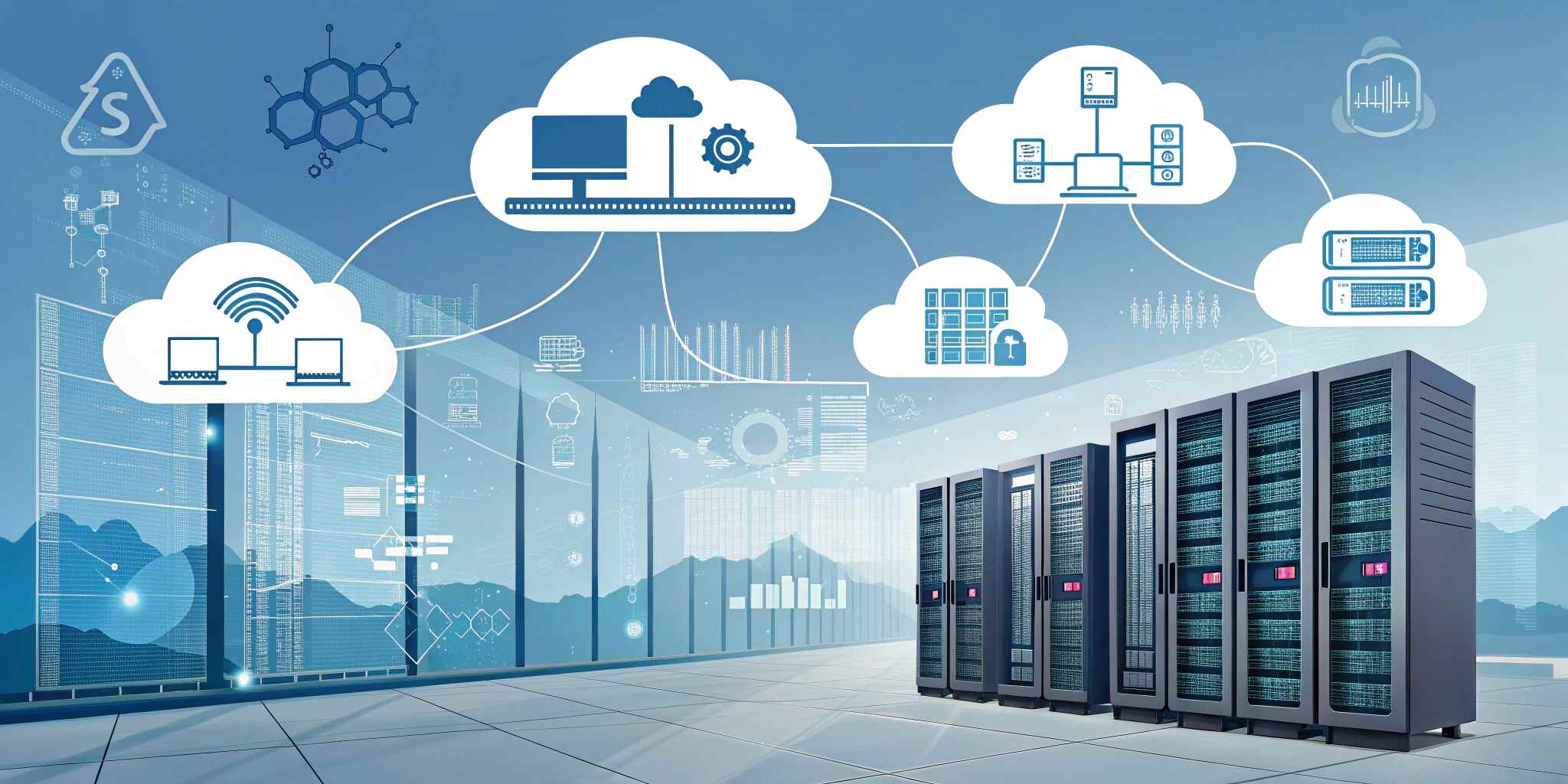
Data centers are the backbone of modern IT. Transitioning to energy-efficient servers, renewable power sources, and advanced cooling systems can significantly cut energy consumption. Companies like Google and Microsoft already run carbon-neutral data centers powered by renewable energy.
b. Cloud Sustainability
Cloud computing enables businesses to share resources efficiently, reducing the need for individual on-premise infrastructure. Sustainable cloud providers use AI-based optimization and server virtualization to lower energy use and carbon output.
c. Sustainable Software Development
Developers can build energy-efficient applications by optimizing code, reducing unnecessary computation, and minimizing data transfer. Sustainable software design reduces server load, processing time, and overall power usage.
d. IT Asset Lifecycle Management
Proper disposal, recycling, and repurposing of old hardware reduce e-waste, which accounts for millions of tons of global pollution. Sustainable IT encourages circular economy models, where electronic components are reused and refurbished instead of discarded.
e. Remote Work and Digital Efficiency
Encouraging remote work and digital collaboration tools reduces commuting-related emissions and resource consumption. By optimizing cloud tools, businesses can minimize travel and paper use while improving productivity.
4. The Role of Emerging Technologies in Sustainability
a. Artificial Intelligence (AI)
AI helps organizations monitor and reduce energy consumption in real time. Smart algorithms optimize HVAC systems, data center cooling, and production lines, cutting waste and power usage.
b. Internet of Things (IoT)
IoT devices track energy performance, automate lighting, and monitor emissions, helping industries maintain eco-friendly operations. Smart grids use IoT sensors to distribute renewable energy efficiently.
c. Blockchain for Transparency
Blockchain can improve traceability in supply chains, ensuring that raw materials and IT assets come from sustainable sources. It also enables carbon credit tracking and green certification systems.
d. Cloud and Edge Computing
By processing data closer to its source, edge computing reduces bandwidth and energy costs, contributing to more sustainable data management.
5. Corporate Responsibility and Green IT Policies
Leading tech firms are setting sustainability benchmarks. For instance:
- Google aims to operate entirely on carbon-free energy by 2030.
- Apple has pledged to make its entire supply chain carbon-neutral by 2030.
- Dell and HP have introduced recycling and product take-back programs to reduce e-waste.
Businesses of all sizes can adopt policies such as:
- Transitioning to renewable-powered data centers.
- Implementing energy audits and carbon tracking.
- Choosing green-certified hardware vendors.
- Encouraging digital literacy on sustainability.
6. Challenges in Implementing Sustainable IT
Despite its benefits, green IT adoption faces several hurdles:
- High initial investment in renewable infrastructure.
- Lack of awareness or clear sustainability metrics.
- Complex supply chains that are difficult to audit.
- However, these challenges can be overcome through strategic partnerships, government incentives, and technology innovation.
7. The Future of Sustainable IT
The future of IT lies in balancing progress with preservation. As digital transformation accelerates, sustainability will become a key business metric. Organizations that prioritize green technology will not only reduce costs and risk but also enhance their resilience and reputation in a climate-conscious world.
Sustainable IT isn’t just an environmental responsibility — it’s a strategic advantage in building a smarter, cleaner, and more sustainable digital era.