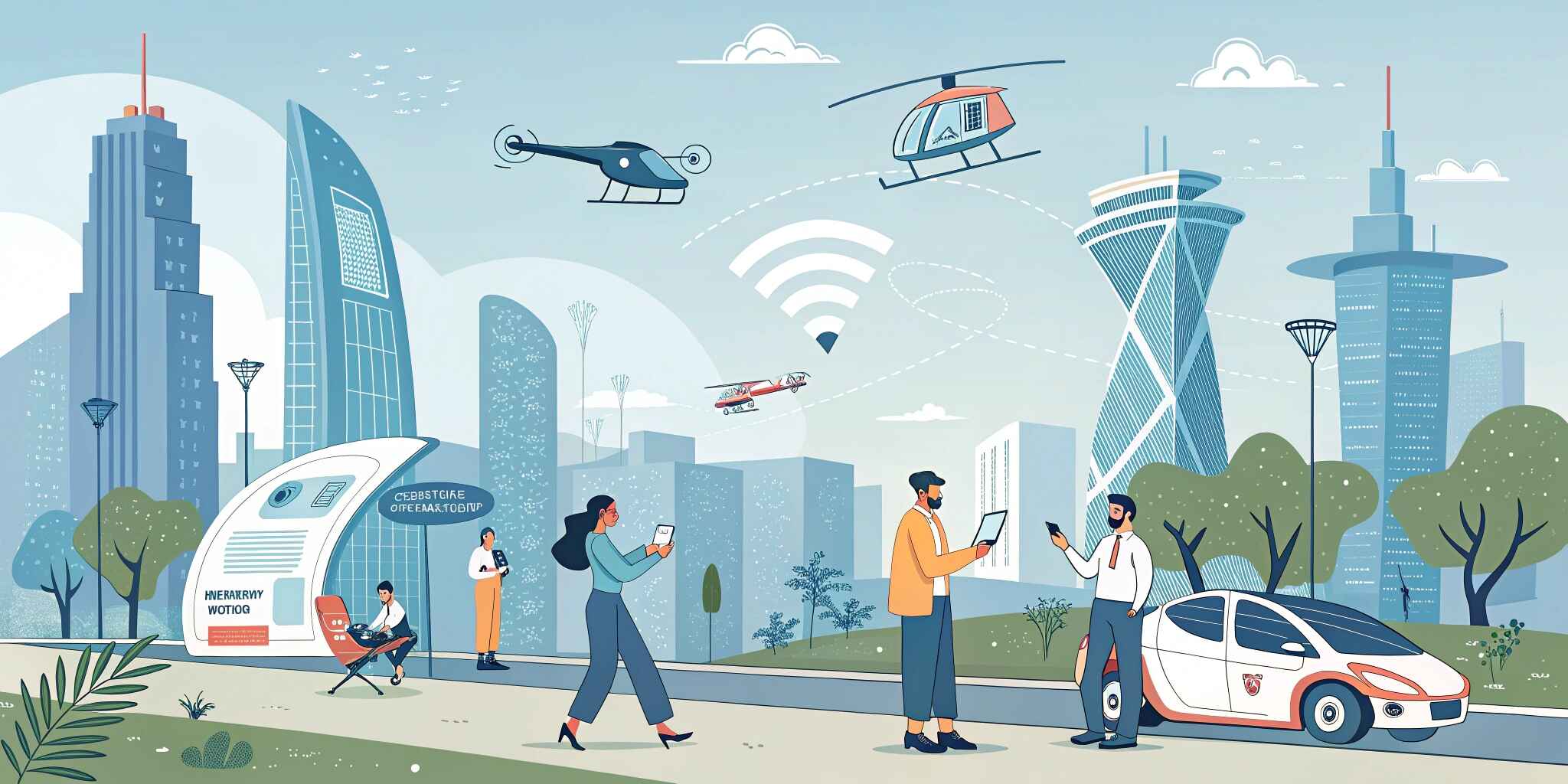
In today's hyper connected world, access to the internet and digital tools has become a basic necessity. Yet, millions around the globe remain cut off—either due to lack of infrastructure, affordability, or digital literacy. This inequality is known as the digital divide, and Information Technology (IT) plays a crucial role in narrowing it.
What Is the Digital Divide?
The digital divide refers to the gap between individuals, households, businesses, or regions with access to modern information and communication technology (ICT)—and those without. It includes disparities in:
- Internet access
- Device availability
- Digital literacy
- Technology affordability
Why the Digital Divide Matters
The digital divide is more than just a tech issue—it impacts:
- Education (remote learning access)
- Healthcare (telemedicine)
- Economic opportunity (job access, e-commerce)
- Social inclusion (connection with family, services)
When large populations are digitally excluded, it leads to systemic inequality, limiting development and growth.
How IT Can Bridge the Digital Divide
1. Expanding Internet Infrastructure
- IT firms and governments are building rural broadband, low-earth orbit satellite networks (e.g., Starlink), and 5G connectivity to reach underserved regions.
- Mesh networks and community Wi-Fi initiatives are also being deployed in urban slums and remote villages.
2. Affordable Access to Devices
- Nonprofits and startups are refurbishing and distributing low-cost smartphones, tablets, and laptops.
- Open-source operating systems like Linux-based platforms reduce licensing costs.
3. Improving Digital Literacy
- IT-enabled e-learning platforms offer free digital training and basic tech skills education.
- Localized apps and content in regional languages ensure inclusivity.
4. Cloud-Based Services and Mobile Apps
- Cloud computing enables access to educational content, healthcare, and banking services even in low-bandwidth areas.
- Mobile-first apps are bridging access in areas where computers are rare.
5. Public-Private Partnerships
- Collaborations between tech companies, NGOs, and governments are launching large-scale projects like:
- Digital India
- Google’s Internet Saathi
- Facebook’s Express Wi-Fi
Success Stories
- Rwanda has built a national fiber-optic network covering over 90% of its population.
- India's Common Service Centers (CSCs) provide internet-enabled services to rural communities.
- One Laptop Per Child delivered devices to children in developing countries with educational software pre-installed.
Remaining Challenges
Despite progress, challenges include:
- Power supply instability
- Cultural and language barriers
- Gender gaps in access
- Lack of policy implementation
The Road Ahead: Inclusive Tech Innovation
The future of bridging the digital divide lies in:
- AI-powered offline education tools
- Low-code platforms for local entrepreneurs
- IoT devices for rural agriculture and health
- Ethical design and inclusive UX practices
Conclusion:
The digital divide is one of the most pressing global challenges of the 21st century. However, IT—when applied thoughtfully and inclusively—can transform this barrier into a bridge. With continued innovation and collaboration, we can move toward a future where no one is left offline.