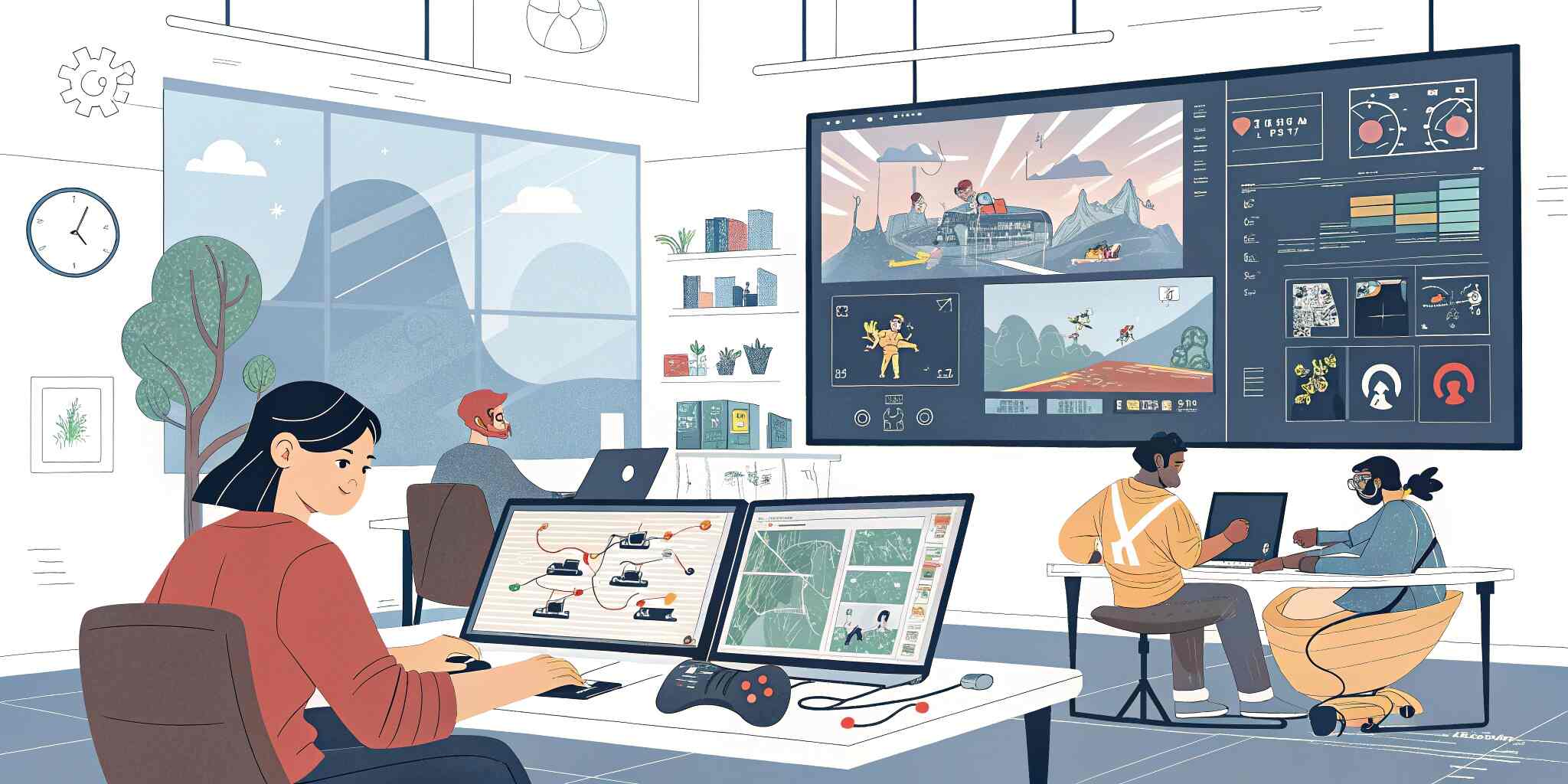
Introduction: The Live-Service Revolution
Over the past decade, the gaming industry has shifted from one-time purchases to continuous engagement models. Titles like Fortnite, Destiny 2, and Genshin Impact have pioneered the live-service approach, where games are not just launched—they’re maintained, expanded, and monetized indefinitely.
This evolution has changed how developers design, how players engage, and how revenue flows. But with constant updates and relentless content cycles, the industry faces a crucial question: Is the live-service model truly sustainable, or is it heading toward burnout?
Understanding Live-Service Games
Live-service or “Games as a Service (GaaS)” refers to titles designed to evolve over time through regular updates, events, and monetization streams. Instead of selling a complete product once, developers generate ongoing income via microtransactions, season passes, cosmetics, or expansions.
The appeal is clear: developers earn long-term revenue, and players get new reasons to stay engaged. This model has proven lucrative, turning games like Fortnite into multi-billion-dollar ecosystems. However, sustaining that level of engagement requires constant innovation, balancing business strategy with creative output.
The Economics Behind the Model
The live-service approach hinges on retention and monetization metrics rather than pure sales numbers. Key economic drivers include:
- Recurring Revenue: Instead of one-time purchases, live-service titles earn from repeat spending—battle passes, skins, and limited-time offers.
- Long-Term Engagement: The longer players stay, the more they’re likely to spend, increasing lifetime value (LTV).
- Community Ecosystem: Continuous updates encourage social play, streaming, and content creation, feeding back into brand awareness and engagement.
- Data-Driven Design: Live-service games rely heavily on analytics—tracking player habits, spending patterns, and engagement spikes to optimize updates and monetization.
While this model has brought financial success, it also introduces volatility. A single disappointing update or monetization misstep can lead to mass player exodus—something we’ve seen in titles like Anthem and Marvel’s Avengers.
The Developer’s Dilemma: Creativity vs. Consistency
Developers in the live-service space face an unending production cycle. Unlike traditional games that end after launch, live-service titles require constant updates—new modes, events, cosmetics, and balance tweaks.
This pressure often leads to developer fatigue and “crunch” culture, as studios race to meet deadlines for seasonal updates or major patches. Maintaining engagement requires perpetual novelty, leaving little room for creative experimentation.
Moreover, the constant push to monetize can clash with artistic goals. When every feature must justify its ROI, innovation sometimes takes a backseat to retention-driven content.
The Player’s Perspective: Engagement or Exhaustion?
From the player’s point of view, live-service games offer continuous entertainment, evolving worlds, and new challenges. However, the fear of missing out (FOMO) has become a key driver in live-service engagement—limited-time events, exclusive rewards, and seasonal passes often pressure players to stay active.
While this design keeps games relevant, it can also lead to player burnout. The expectation to keep up with constant updates and daily quests can make gaming feel more like a chore than a hobby. Over time, this fatigue can cause churn, undermining the very retention metrics these games depend on.
Balancing Profit and Longevity
For live-service games to remain sustainable, studios must strike a delicate balance between profit, creativity, and player well-being. Success comes not from endless monetization, but from thoughtful engagement strategies.
Key sustainability factors include:
- Meaningful Content Updates: Quality over quantity—updates that add depth rather than filler.
- Transparent Monetization: Avoiding pay-to-win mechanics and prioritizing cosmetic or optional purchases.
- Community-Centric Design: Listening to player feedback and fostering genuine engagement through co-creation and live events.
- Flexible Scheduling: Allowing downtime between seasons to prevent both player and developer burnout.
Games like Warframe and Final Fantasy XIV have demonstrated that long-term sustainability is possible when updates are strategic, player-focused, and creatively rewarding.
The Future of Live-Service Games
As competition intensifies, the future of live-service games will depend on player trust and content innovation. Subscription models, AI-driven personalization, and community-driven economies may redefine engagement in the next generation of live-service experiences.
However, the industry must learn from its excesses. Over-reliance on microtransactions and endless grinds risks alienating players. The next wave of live-service games will likely emphasize value, variety, and respect for player time, ensuring the model evolves sustainably.
Conclusion: Between Sustainability and Burnout
The live-service model has redefined gaming economics, creating ecosystems where content never ends and engagement never sleeps. Yet, this perpetual growth comes at a cost—to creativity, to developers, and to players.
To thrive, studios must move beyond constant monetization and embrace sustainable design principles that reward both effort and enjoyment. The future of live-service gaming won’t be defined by how long it lasts—but by how well it balances longevity, innovation, and humanity.