Introduction: A New Era for Gaming
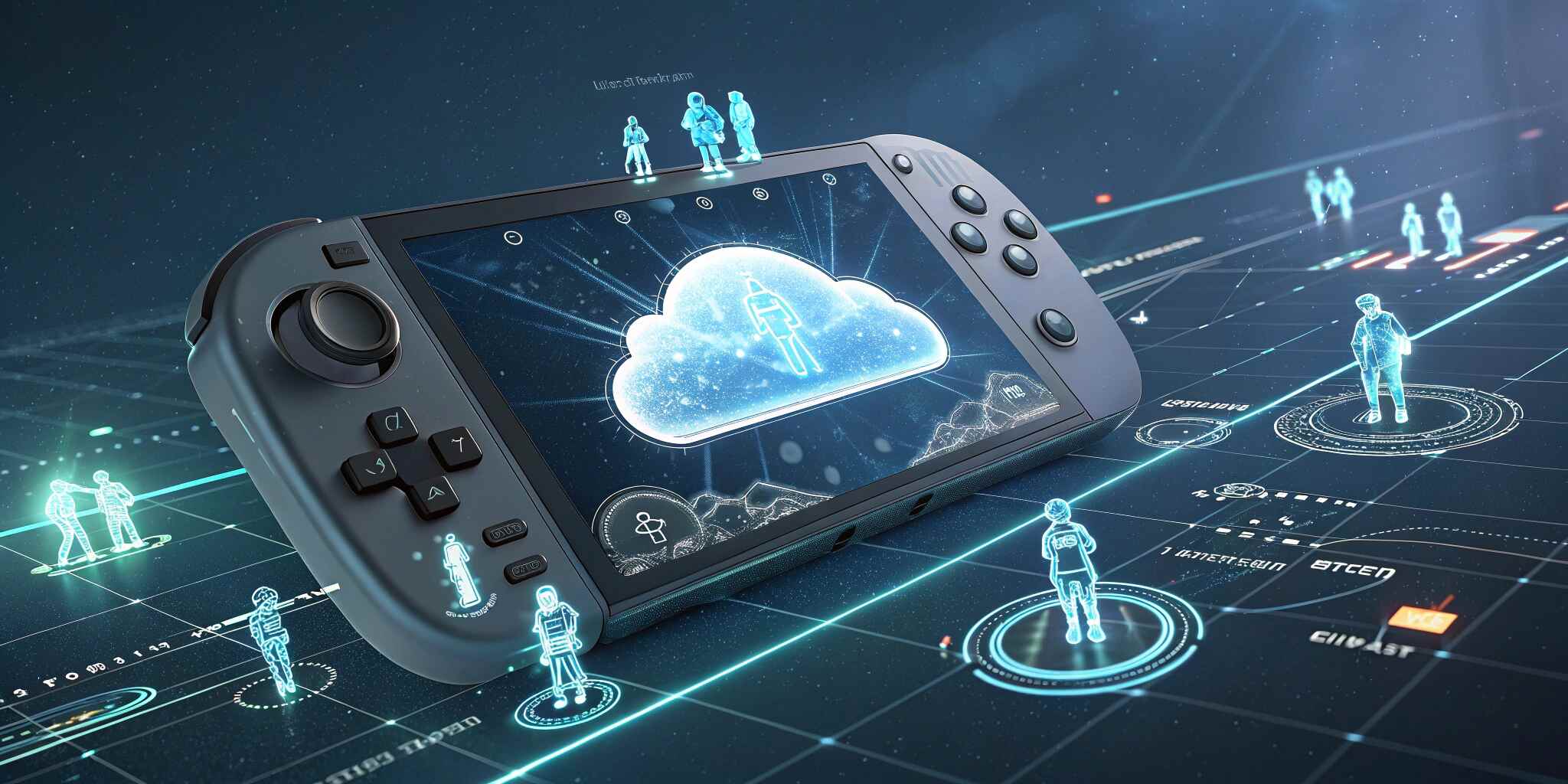
Cloud gaming has emerged as one of the most disruptive technologies in the gaming industry. Unlike traditional gaming, where players rely on powerful consoles or PCs, cloud gaming streams games directly from remote servers to devices. This means players can enjoy high-quality games on low-spec hardware—whether it’s a smartphone, tablet, or TV. As companies like Microsoft (Xbox Cloud Gaming), NVIDIA (GeForce NOW), Sony (PlayStation Plus), and Google (Stadia, before its shutdown) explore this space, the future of cloud gaming looks both promising and uncertain.
1. Opportunities in Cloud Gaming
a. Accessibility for All Players
Cloud gaming breaks down the hardware barrier. Players no longer need expensive consoles or high-end gaming PCs. Instead, a stable internet connection is enough. This opens gaming to new demographics, especially in regions where affordability is a challenge.
b. Cross-Device Flexibility
With cloud gaming, players can seamlessly transition from one device to another. For example, you might start a game on your PC, continue it on your phone during travel, and pick it up later on your TV—all without losing progress.
c. Expanding Game Libraries
Subscription-based cloud gaming services offer vast libraries of games at affordable prices. This model mirrors the success of Netflix and Spotify, giving players instant access to hundreds of titles.
d. Reduced Piracy Risks
Since games are streamed rather than downloaded, piracy risks are significantly reduced, protecting developers’ intellectual property.
e. Opportunities for Developers
Cloud platforms enable developers to reach a global audience without relying heavily on physical distribution or platform-specific exclusives. Indie developers, in particular, stand to benefit by accessing wider markets.
f. Innovation in Game Design
Developers can create larger, more complex games without being constrained by hardware limitations. Cloud computing allows games to offload heavy computations to servers, paving the way for more immersive experiences.
2. Roadblocks in Cloud Gaming
a. Latency and Lag
Perhaps the most significant challenge is latency. Even minor delays between player input and on-screen action can disrupt the gaming experience, particularly in fast-paced games like shooters or fighting titles.
b. Internet Infrastructure Limitations
Cloud gaming relies heavily on stable, high-speed internet. Many regions worldwide still lack reliable broadband or 5G connectivity, limiting the accessibility that cloud gaming promises.
c. Data Usage and Costs
Streaming games consumes a massive amount of data. For users with limited internet plans or expensive data costs, cloud gaming may not be sustainable.
d. Platform Fragmentation
Just like video streaming services, cloud gaming platforms are fragmented. Players may need to subscribe to multiple services (Xbox, PlayStation, GeForce NOW) to access different titles, making it costly and confusing.
e. Ownership Concerns
Unlike physical or downloaded copies, cloud gaming often grants players access rather than true ownership. If a platform shuts down (like Google Stadia), players may lose access to purchased content.
f. High Infrastructure Costs for Providers
Running powerful server farms to host games requires enormous investment. Cloud providers face high costs for maintenance, bandwidth, and licensing, which could make long-term sustainability difficult.
3. The Business Model Debate
One of the biggest uncertainties in cloud gaming is its business model. Subscription services may appeal to players but can reduce per-game revenue for developers. On the other hand, pay-per-play or bundled services may not attract as many users. Finding a balance between profitability and player satisfaction is a key challenge moving forward.
4. Regional Adoption and Market Growth
Adoption of cloud gaming will vary greatly by region. Developed markets with strong internet infrastructure may see rapid growth, while emerging markets could struggle with adoption until 5G and fiber networks expand. However, these same emerging markets represent the largest potential audience, making them critical to the future success of cloud gaming.
5. The Role of 5G and Edge Computing
The rollout of 5G networks and edge computing could be game changers for cloud gaming. With lower latency and higher speeds, these technologies can make game streaming more seamless and responsive. Tech companies are already investing in edge servers to bring computing power closer to users, reducing delays.
6. The Future: Hybrid Gaming Models
The future may not be fully cloud-based but rather a hybrid model. Players might install games locally for offline play while leveraging cloud streaming for instant access, demos, or cross-device continuity. This compromise could mitigate many current roadblocks while still offering the advantages of cloud technology.
Conclusion: Balancing Promise and Challenges
Cloud gaming stands at a crossroads. On one hand, it promises unparalleled accessibility, global reach, and innovative game experiences. On the other, it faces challenges of latency, infrastructure, and sustainable business models. The winners in this race will likely be companies that can balance technical innovation with consumer-friendly strategies.
While cloud gaming may not replace consoles and PCs entirely in the near future, it will undoubtedly reshape the gaming industry. As technology matures, the dream of playing high-quality games anytime, anywhere, on any device, is getting closer to reality.