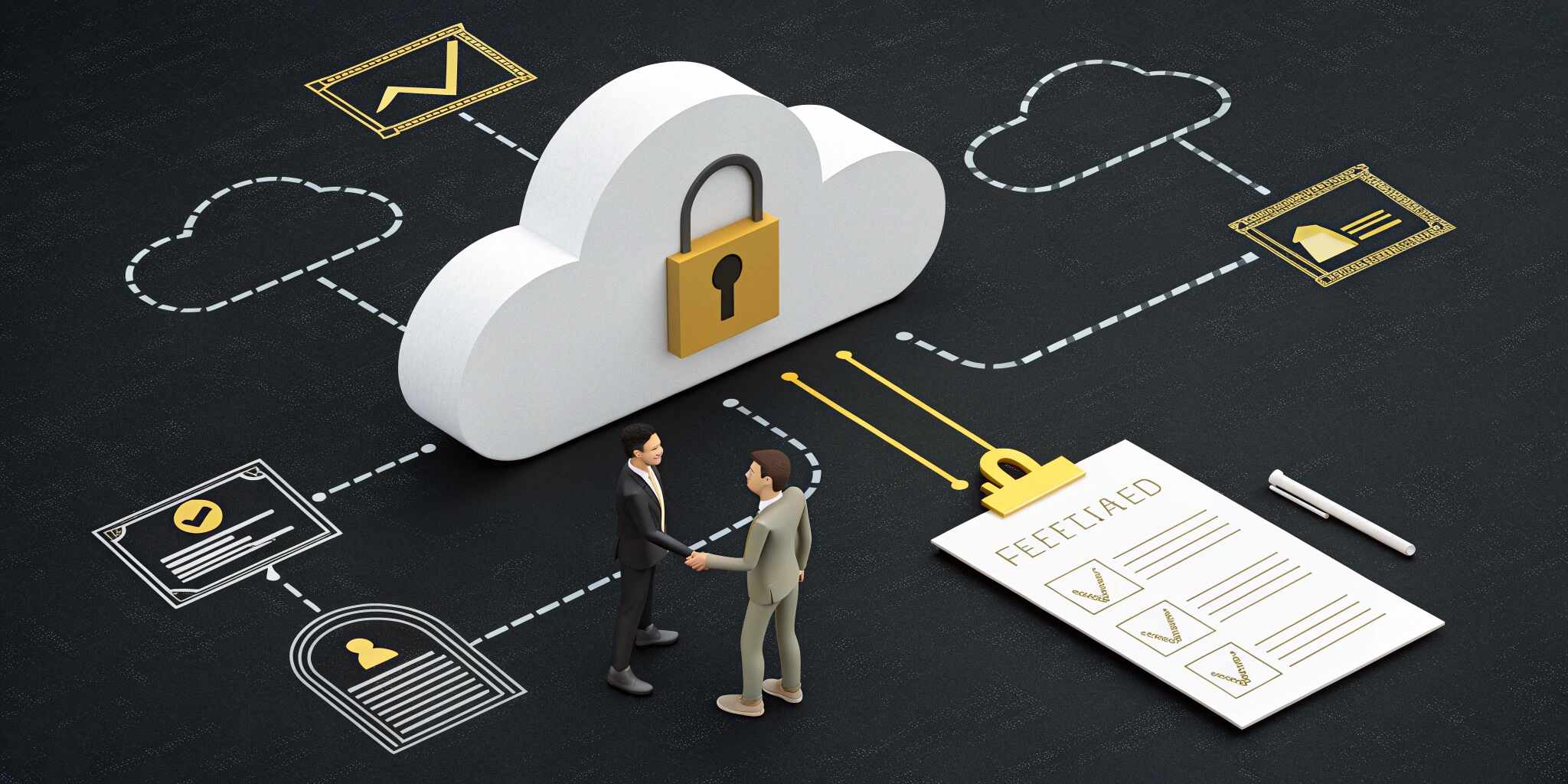
As businesses increasingly shift to cloud-based environments, data security has become a top priority. The cloud offers scalability, flexibility, and innovation, but it also introduces new risks that can impact trust, privacy, and compliance.
For organizations managing sensitive client data, maintaining strong cloud security isn’t just about technology — it’s about building credibility and sustaining long-term relationships. In today’s competitive IT landscape, trust and compliance are the cornerstones of sustainable growth.
1. Understanding Cloud Security
Cloud security refers to the combination of technologies, policies, and procedures designed to protect cloud-based systems, data, and infrastructure from cyber threats.
It covers every aspect of digital protection — from identity management and encryption to network monitoring and compliance auditing.
Modern IT companies use cloud security frameworks to ensure data integrity, prevent unauthorized access, and safeguard both their own assets and those of their clients.
In essence, secure cloud environments build trust by protecting the digital backbone of business operations.
2. The Link Between Cloud Security and Business Trust
Customer trust is earned through consistent reliability, transparency, and data protection. In an era where breaches can cause financial and reputational damage, businesses that invest in strong cloud security demonstrate responsibility and accountability.
When clients see that their information is handled securely — through encryption, multi-factor authentication, and real-time threat detection — their confidence in the company strengthens.
Conversely, a single security lapse can erode years of credibility. Thus, cloud security isn’t just an IT concern — it’s a strategic trust-building measure.
3. Compliance: Meeting Global Security Standards
In addition to trust, cloud security is deeply connected to regulatory compliance. Organizations must follow strict global data protection laws such as:
- GDPR (General Data Protection Regulation) in Europe
- HIPAA (Health Insurance Portability and Accountability Act) in healthcare
- ISO/IEC 27001 for information security management
- SOC 2 for data privacy and processing integrity
Cloud providers that comply with these standards give businesses assurance that their data is being managed ethically and securely.
Maintaining compliance not only prevents legal penalties but also reinforces transparency and reliability in client relationships.
4. Mitigating Cyber Risks with Advanced Cloud Security Measures
Cyberattacks are growing more sophisticated, making it crucial for businesses to adopt multi-layered security models.
Some of the most effective cloud security measures include:
- Encryption: Protects data during transfer and storage.
- Zero Trust Architecture: Validates every access request to minimize internal threats.
- AI-Powered Threat Detection: Uses machine learning to predict and prevent attacks.
- Data Loss Prevention (DLP): Identifies and blocks unauthorized data transfers.
- Identity and Access Management (IAM): Controls who can access which resources.
By combining these techniques, IT companies create a resilient defense system that enhances both security and user confidence.
5. Enhancing Transparency Through Cloud Auditing
Modern cloud security practices emphasize visibility and accountability. Businesses now use advanced monitoring and logging tools to track every action within the cloud environment.
Audit trails record who accessed data, what changes were made, and when — ensuring full transparency for both internal governance and external audits.
This visibility not only simplifies compliance verification but also builds trust by proving that data management practices are consistent and secure.
6. Business Continuity and Disaster Recovery
Trust also depends on reliability. Cloud security frameworks often include disaster recovery (DR) and business continuity (BC) solutions to ensure operations continue even during system failures or cyber incidents.
Automated data backups, redundant systems, and failover protocols allow businesses to recover quickly, minimizing downtime and maintaining client confidence.
These safeguards reassure customers that the company is prepared for any contingency — a vital component of digital resilience.
7. The Competitive Advantage of Secure Cloud Practices
Strong cloud security not only protects data but also becomes a competitive differentiator. Clients prefer working with IT partners that prioritize privacy, compliance, and transparency.
Businesses that can demonstrate compliance certifications, robust security policies, and proactive risk management often attract more enterprise clients and partnerships.
In a digital world built on trust, security becomes a core element of brand reputation and market credibility.
8. The Future of Cloud Security: AI and Automation
The future of cloud security lies in AI-driven automation. Intelligent systems now monitor behavior patterns, identify anomalies, and respond to threats in real-time without human intervention.
As cyber threats evolve, adaptive cloud security will continue to be the key to maintaining both compliance and trust. Organizations that adopt predictive analytics and AI-based monitoring will lead the way in building resilient, future-proof infrastructures.
Conclusion
Cloud security is more than a technical requirement — it’s a strategic foundation for trust, compliance, and business success.
By protecting data, ensuring transparency, and complying with international standards, businesses not only reduce risks but also reinforce their credibility in the digital marketplace.
In the modern IT era, trust is earned through security — and the cloud, when managed securely, becomes a pillar of confidence, innovation, and sustainable growth.