Introduction
In a digital world demanding rapid innovation, traditional monolithic systems no longer meet the need for speed, flexibility, or scalability. Enter Composable Architecture—a modern approach to app development that emphasizes modularity, agility, and business-driven design.
What is Composable Architecture?
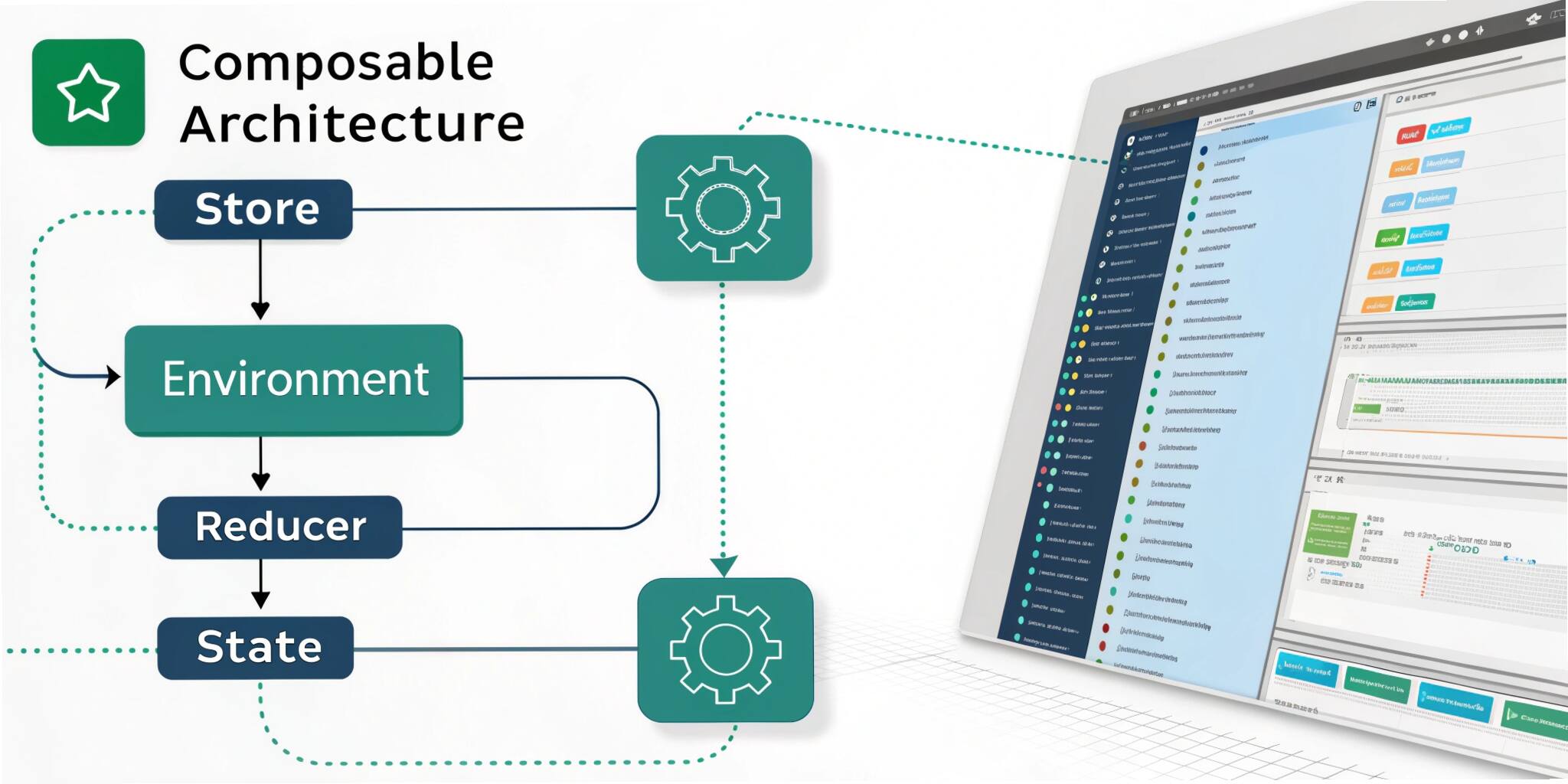
Composable architecture refers to building software applications using interchangeable, reusable components. These components—often microservices, APIs, or packaged business capabilities (PBCs)—can be independently developed, deployed, and scaled.
This approach breaks applications into discrete parts, enabling developers to “compose” or assemble them like building blocks, depending on business requirements.
Key Benefits of Composable Architecture
Modularity and Reusability:
Developers can reuse existing components across multiple projects, reducing time and costs.
Scalability and Agility:
Each module can be scaled independently based on user demand, allowing for efficient resource utilization.
Faster Time-to-Market:
Teams can develop and deploy parts of the application independently, accelerating delivery.
Technology Flexibility:
Composable architecture supports best-of-breed tools and languages for each component.
Improved Maintainability:
Easier debugging and updating, since you can work on individual components without affecting the whole syste
How Composable Architecture Differs from Monolithic and Microservices
- Monolithic Architecture binds all functions into a single unit, which is harder to change or scale.
- Microservices break down functions but often become complex without a structured approach.
- Composable Architecture brings the best of both—structured, but flexible—with business goals at the core.
Use Cases in Real-World App Development
- E-commerce: Easily integrate and replace payment gateways, recommendation engines, or inventory systems.
- Banking Apps: Modular identity verification, fraud detection, and account management.
- Healthcare Platforms: Plug-and-play appointment scheduling, EHR, or telemedicine modules.
Tools and Technologies
- API-first Platforms: Postman, Swagger, RapidAPI
- Headless CMS: Contentful, Strapi, Sanity
- Composable Commerce: commercetools, Elastic Path
- Micro Frontends: Module Federation, Single-SPA
Challenges to Consider
- Governance Complexity: Without strict protocols, modular systems can lead to chaos.
- Integration Overhead: Too many independent modules may increase integration complexity.
- Skill Gaps: Teams need to adapt to component-oriented thinking and DevOps maturity.
Future of Composable Architecture
As businesses move toward digital-first strategies, composable architecture will become the standard for scalable and maintainable apps. With the rise of MACH (Microservices, API-first, Cloud-native, Headless) architecture and DXPs (Digital Experience Platforms), composable thinking is going mainstream.