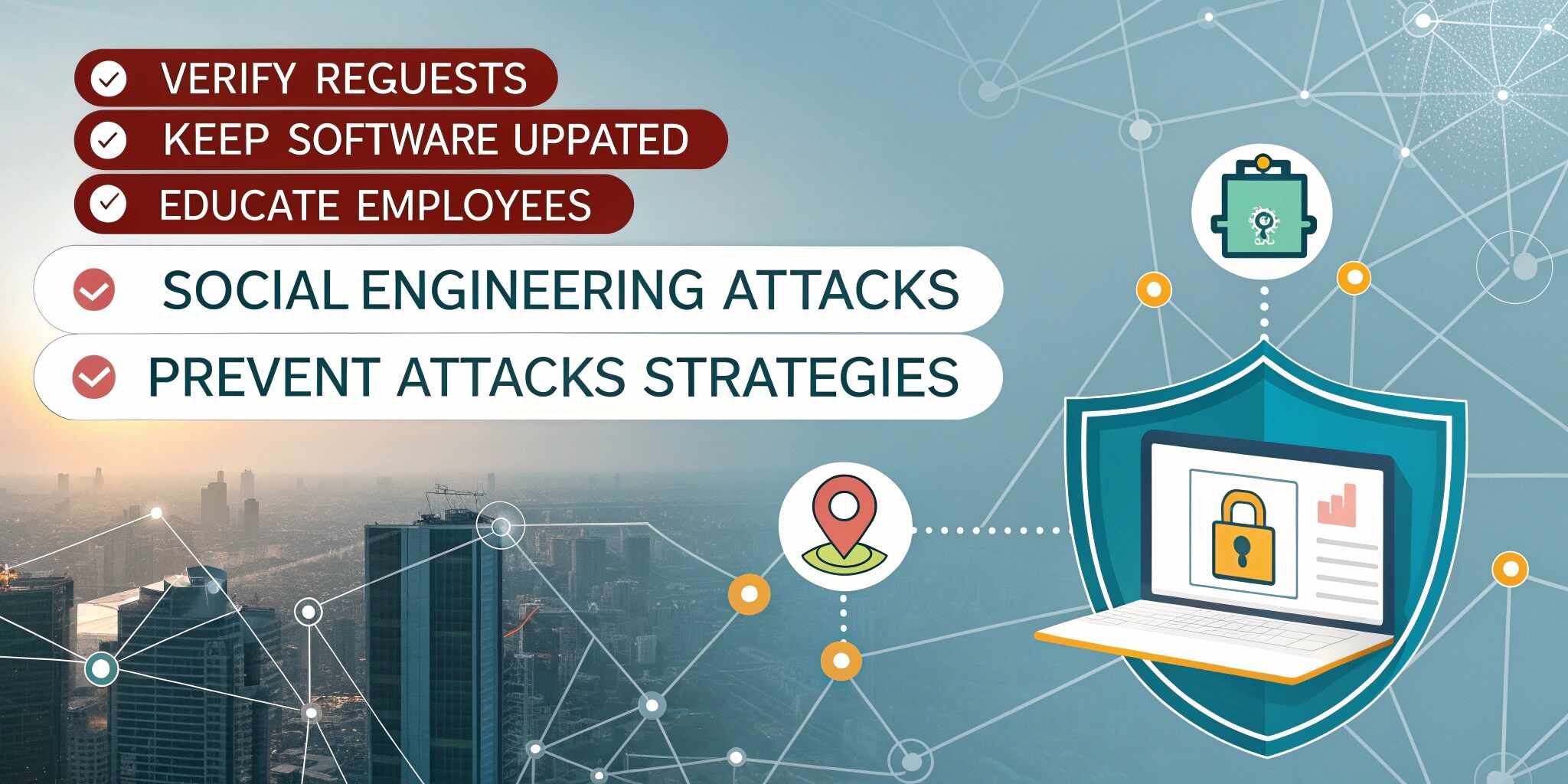
In the cybersecurity world, not all threats rely on advanced malware or technical hacking tools. Many successful breaches happen because of social engineering attacks, where cybercriminals manipulate human behavior to gain unauthorized access to systems, networks, or sensitive data. As technology advances, so do these attacks, making it critical for individuals and organizations to understand the risks and defenses.
What Are Social Engineering Attacks?
Social engineering is a manipulation technique where attackers exploit trust, curiosity, fear, or urgency to trick victims into sharing confidential information. Unlike technical exploits, these attacks target human psychology, making them harder to detect.
Common Types of Social Engineering Attacks
- Phishing: Fraudulent emails or messages designed to steal login credentials or financial details.
- Spear Phishing: Highly targeted phishing aimed at specific individuals or companies.
- Pretexting: Attackers create a fabricated story (or “pretext”) to trick victims into providing data.
- Baiting: Victims are lured with promises such as free downloads or rewards, often hiding malware.
- Tailgating (Piggybacking): Physically following someone into a restricted area by exploiting trust.
- Vishing: Voice-based phishing attacks conducted over phone calls.
Why Social Engineering Attacks Are Rising
The rise of remote work, widespread digital communication, and increased use of personal devices for professional tasks have created new vulnerabilities. Attackers know it’s often easier to trick a person into clicking a malicious link than to break through a well-secured firewall. The human factor remains the weakest link in cybersecurity.
How to Prevent Social Engineering Attacks
- Employee Awareness Training: Regularly train staff to identify red flags in emails, calls, and requests.
- Verify Requests: Always confirm sensitive information requests through secondary channels.
- Strong Access Controls: Implement role-based access and the principle of least privilege.
- Multi-Factor Authentication (MFA): Even if credentials are stolen, MFA adds a protective barrier.
- Regular Security Audits: Test systems and processes to identify potential vulnerabilities.
- Incident Response Planning: Have clear steps in place if an employee falls victim to an attack.
Final Thoughts
The rise of social engineering attacks shows that cybersecurity is as much about people as it is about technology. By building awareness, strengthening authentication systems, and creating a culture of security, organizations can significantly reduce the risks posed by these psychological manipulations. Preventing social engineering requires vigilance, training, and strong security practices across all levels.