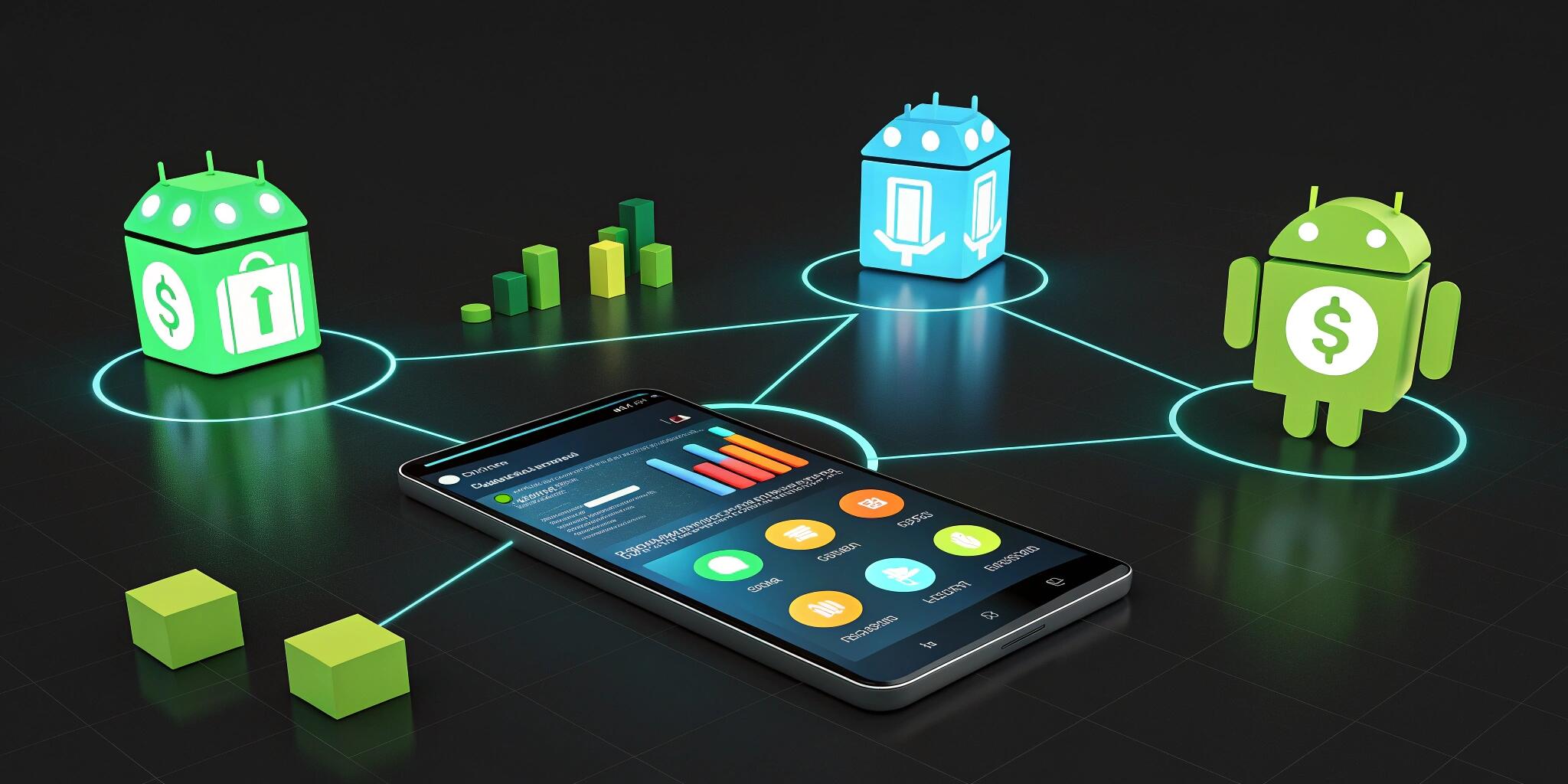
In a digital world driven by instant gratification, users expect fast and seamless experiences. Waiting for an app to download and install can often be a dealbreaker. To address this, Google introduced Android Instant Apps, a revolutionary feature that allows users to run parts of an app instantly—without installation. This innovation not only enhances user convenience but also plays a crucial role in improving engagement, retention, and conversion rates for businesses.
What Are Android Instant Apps?
Android Instant Apps are lightweight versions of Android applications that allow users to experience the app’s functionality immediately, without the need for full installation. Users can access these apps directly through links, social media, search results, or the Google Play Store.
Essentially, Instant Apps bridge the gap between mobile websites and full applications—offering app-like speed and functionality with web-like accessibility.
For example, if a user clicks on a link to a product page, instead of being redirected to the Play Store to install the app, the Instant App opens immediately, delivering a native experience.
How Android Instant Apps Work
Instant Apps are created by modularizing the app’s codebase. Developers divide the app into smaller sections, called feature modules, each capable of running independently.
When a user requests an Instant App experience, only the necessary modules are loaded, significantly reducing launch time. Once the user decides to install the full version, their experience continues seamlessly, without starting over.
This architecture not only reduces data usage but also improves accessibility for users who are hesitant to install large apps or those with limited storage space.
Key Benefits of Android Instant Apps
1. Frictionless User Experience
One of the biggest barriers in mobile app engagement is the installation process. Instant Apps eliminate this by allowing users to access app content instantly. This reduces drop-offs and boosts engagement right from the first interaction.
2. Higher Conversion Rates
Instant Apps have proven to increase conversion rates, especially in e-commerce, travel, and entertainment sectors. Users can complete purchases, bookings, or actions instantly, without needing to install an app first.
3. Better Discoverability
Instant Apps are shareable via URLs, enabling users to discover apps through search, social media, or messaging platforms. This enhances organic reach and improves brand visibility.
4. Improved Retention and Re-engagement
Users who enjoy a positive Instant App experience are more likely to install the full app later. Additionally, Instant Apps reduce storage concerns, making users more likely to return.
5. Lightweight and Fast
Because only a portion of the app is loaded, Instant Apps run faster and consume less data, offering a smooth and efficient experience even on low-end devices or slow networks.
Real-World Use Cases of Android Instant Apps
- E-commerce: Retailers like Wish and Myntra use Instant Apps to let users browse products and make purchases instantly.
- Travel & Booking: Apps like Jet and Skyscanner allow quick bookings or searches through Instant Apps.
- Gaming: Game developers offer Instant Demos that let players try games before downloading.
- Media & Entertainment: Streaming platforms provide quick previews or limited content access to boost user interest.
Best Practices for Developing Android Instant Apps
- Modularize Code Efficiently:
- Use Android Studio’s Dynamic Delivery feature to divide your app into on-demand modules.
- Optimize Load Time:
- Ensure essential features load first and minimize dependencies.
- Maintain a Consistent UI/UX:
- Keep the Instant App interface identical to the full app to ensure a smooth transition.
- Encourage Full Installation:
- Use subtle prompts to guide users toward downloading the complete app for added features.
- Monitor Analytics:
- Track engagement, conversion, and retention metrics to refine your Instant App strategy.
Challenges and Considerations
While Instant Apps offer immense benefits, developers should consider certain limitations:
- They require modular architecture, which can complicate development for large, legacy apps.
- Some device and API compatibility issues may arise.
- Monetization and feature limitations exist compared to full apps.
However, as Android’s ecosystem evolves, Google continues to expand Instant App capabilities, making them more powerful and flexible for developers.
The Future of Instant Apps
With increasing smartphone penetration and the rise of 5G, the demand for lightweight, instant-access applications will continue to grow. Businesses focusing on delivering fast, engaging, and accessible experiences will benefit greatly from Instant App adoption.
As users become less tolerant of friction and storage limitations, Android Instant Apps represent the future of mobile engagement—blending convenience, speed, and functionality into one seamless experience.
Conclusion
Android Instant Apps have redefined the way users engage with mobile applications. By eliminating installation barriers and enhancing accessibility, they’ve created new opportunities for businesses to boost engagement and conversions. As part of a modern Android development strategy, Instant Apps are not just an innovation—they’re a necessity for brands seeking long-term user loyalty in the competitive mobile landscape.