Introduction
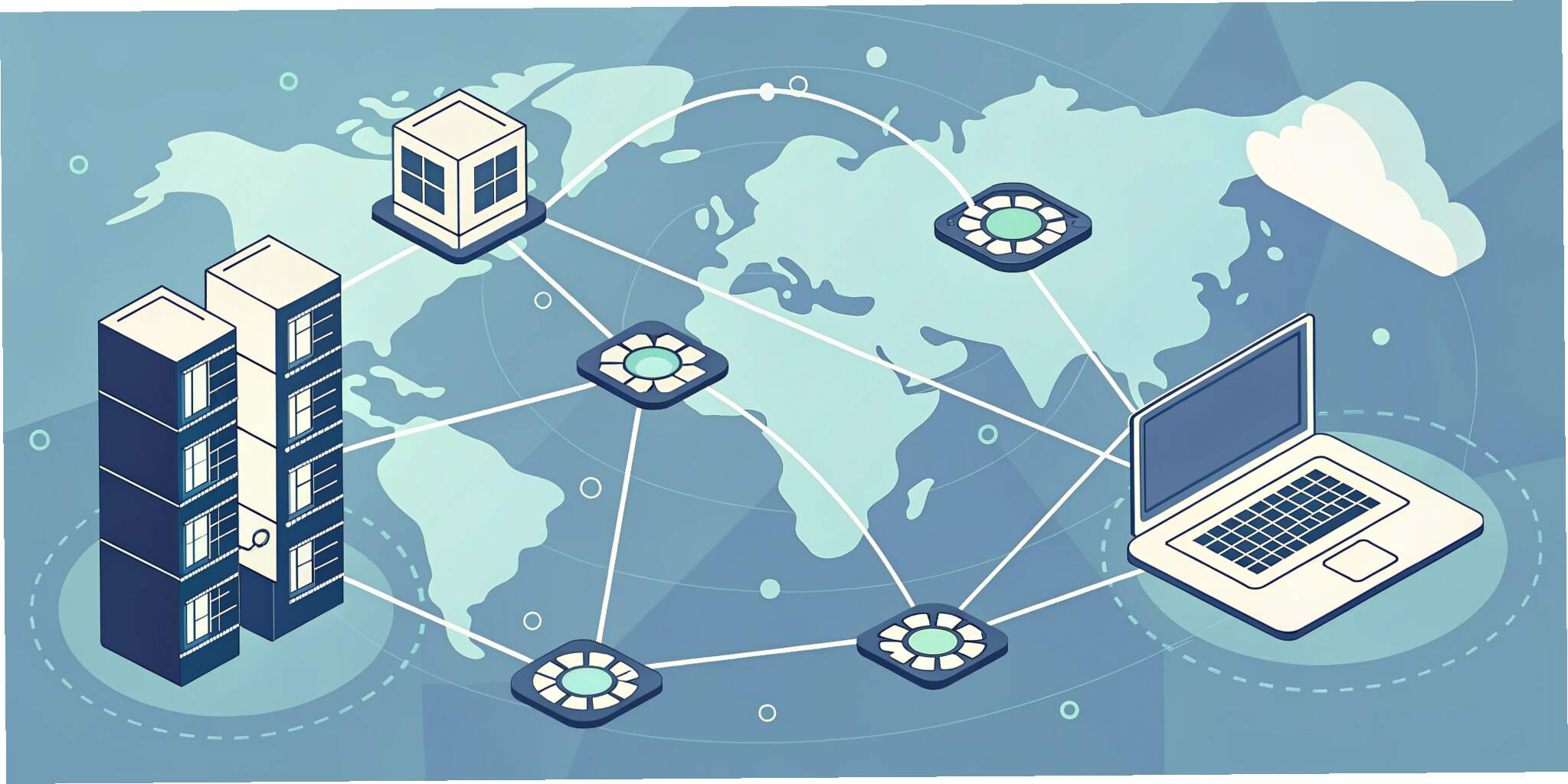
In today’s interconnected digital ecosystem, web development is no longer about building isolated applications. Businesses demand systems that communicate seamlessly, integrate with third-party services, and deliver dynamic user experiences. This is where APIs (Application Programming Interfaces) play a pivotal role. APIs act as digital bridges, allowing applications, platforms, and services to interact with each other effectively.
What are APIs in Web Development?
An API is a set of rules and protocols that allow different software applications to communicate. In web development, APIs are widely used to connect applications to external services like payment gateways, authentication systems, cloud services, or social media platforms.
For example:
- A travel website integrates APIs from airlines, hotels, and car rental services.
- E-commerce platforms use payment APIs like Stripe or PayPal to process transactions.
- Social media login APIs (Google, Facebook) streamline user authentication.
Why APIs are Essential in Modern Web Development
Seamless Integration
APIs enable developers to integrate third-party services without reinventing the wheel. For instance, adding Google Maps API provides location-based services instantly.
Faster Development Cycles
APIs save time and effort by offering ready-to-use functionality. This accelerates product launches and helps businesses stay competitive.
Scalability and Flexibility
APIs support modular architecture, making it easy to expand applications by plugging in new features without disrupting existing ones.
Improved User Experience
- APIs enhance applications with real-time data, personalization, and automation, offering a more engaging user journey.
Innovation and Collaboration
Open APIs encourage innovation by allowing developers and businesses to collaborate, extend services, and create new solutions.
Types of APIs in Web Development
- REST APIs: Lightweight and widely used for web applications.
- GraphQL APIs: Provide more flexibility in data querying.
- SOAP APIs: Traditional but still used in enterprise applications.
- WebSocket APIs: Enable real-time communication for chat apps, gaming, and live updates.
Use Cases of APIs in Web Development
- E-commerce – Payment gateways, product recommendations, shipping integrations.
- Social Media – Login APIs, sharing posts, embedding feeds.
- Cloud Services – Accessing storage, compute, and AI/ML features via APIs.
- Healthcare – Securely sharing patient data between systems.
- Finance – Banking APIs for digital wallets, UPI, and fintech apps.
Future of APIs in Web Development
With the rise of microservices, serverless computing, and headless CMS architectures, APIs will only grow more crucial. As web development moves toward interconnected ecosystems, APIs will act as the foundation for scalability, automation, and innovation.
Conclusion
APIs are no longer optional but essential in modern web development. They enable seamless communication, rapid innovation, and scalable solutions. By leveraging APIs effectively, businesses can unlock new opportunities, improve user experiences, and stay ahead in the digital era.