Climate change is one of the greatest global challenges of our time. While renewable energy, electric vehicles, and sustainable practices are crucial, the role of Information Technology (IT) is equally significant in accelerating climate tech innovations. From artificial intelligence (AI) to big data and IoT, IT solutions are transforming the way industries and governments tackle climate change.
This blog explores how IT is shaping climate tech, enabling smarter solutions for sustainability, and driving innovation for a greener future.
1. The Intersection of IT and Climate Tech
Climate technology focuses on innovations that reduce greenhouse gas emissions, enhance renewable energy, and promote sustainable practices. IT acts as the backbone of these innovations, offering data-driven insights, automation, and connectivity that help optimize resources and reduce waste.
Whether it’s monitoring air quality, managing smart grids, or analyzing climate models, IT provides the digital infrastructure required to fight climate change effectively.
2. AI and Machine Learning for Climate Solutions
Artificial Intelligence (AI) and Machine Learning (ML) are at the forefront of climate tech innovations. Their applications include:
- Climate Modeling: AI-powered simulations predict weather patterns and climate risks with higher accuracy.
- Energy Efficiency: ML algorithms optimize energy use in buildings, reducing waste and lowering carbon emissions.
- Carbon Tracking: AI systems monitor and report carbon footprints, helping organizations meet sustainability goals.
By turning complex data into actionable strategies, AI enables proactive climate action across industries.
3. Internet of Things (IoT) for Smart Sustainability
IoT devices play a crucial role in monitoring and managing environmental resources. Examples include:
- Smart Agriculture: Sensors track soil health, water use, and crop conditions, ensuring sustainable farming.
- Smart Cities: IoT enables real-time monitoring of traffic, energy consumption, and waste management.
- Environmental Monitoring: Devices track air quality, water pollution, and deforestation, providing critical data for intervention.
IoT creates a connected ecosystem where every small improvement leads to a larger collective impact on sustainability.
4. Cloud Computing and Data for Climate Action
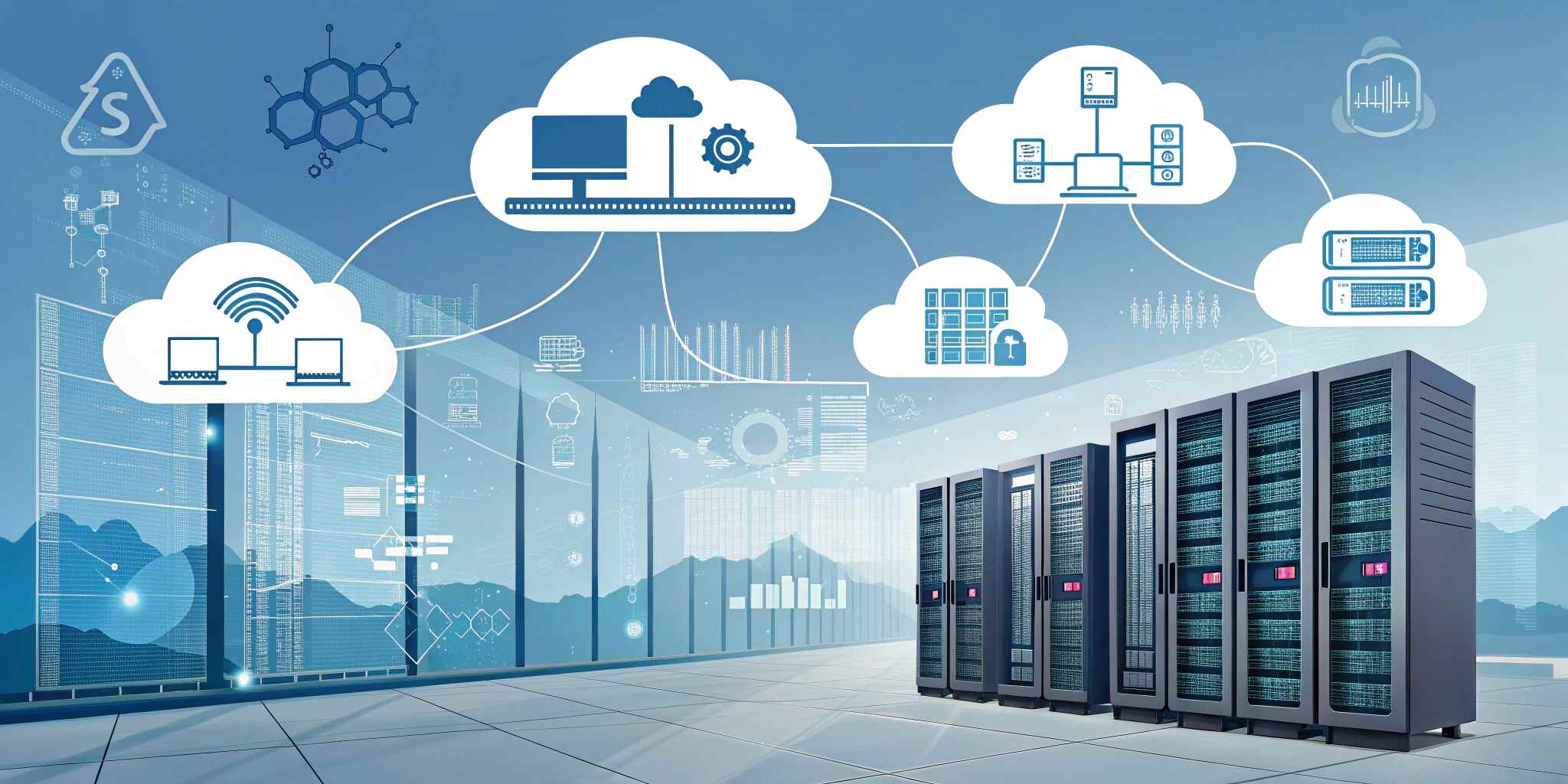
Cloud computing provides scalable infrastructure for processing large datasets related to climate change. Benefits include:
- Data Accessibility: Cloud platforms allow researchers worldwide to collaborate and share climate data.
- Scalability: Massive climate simulations and renewable energy models can run on cloud systems.
- Carbon Neutral Cloud Services: Major providers like Google Cloud and Microsoft Azure are committing to carbon neutrality, reducing IT’s own footprint.
Big data analytics combined with cloud computing enables actionable insights that accelerate sustainable solutions.
5. IT in Renewable Energy and Smart Grids
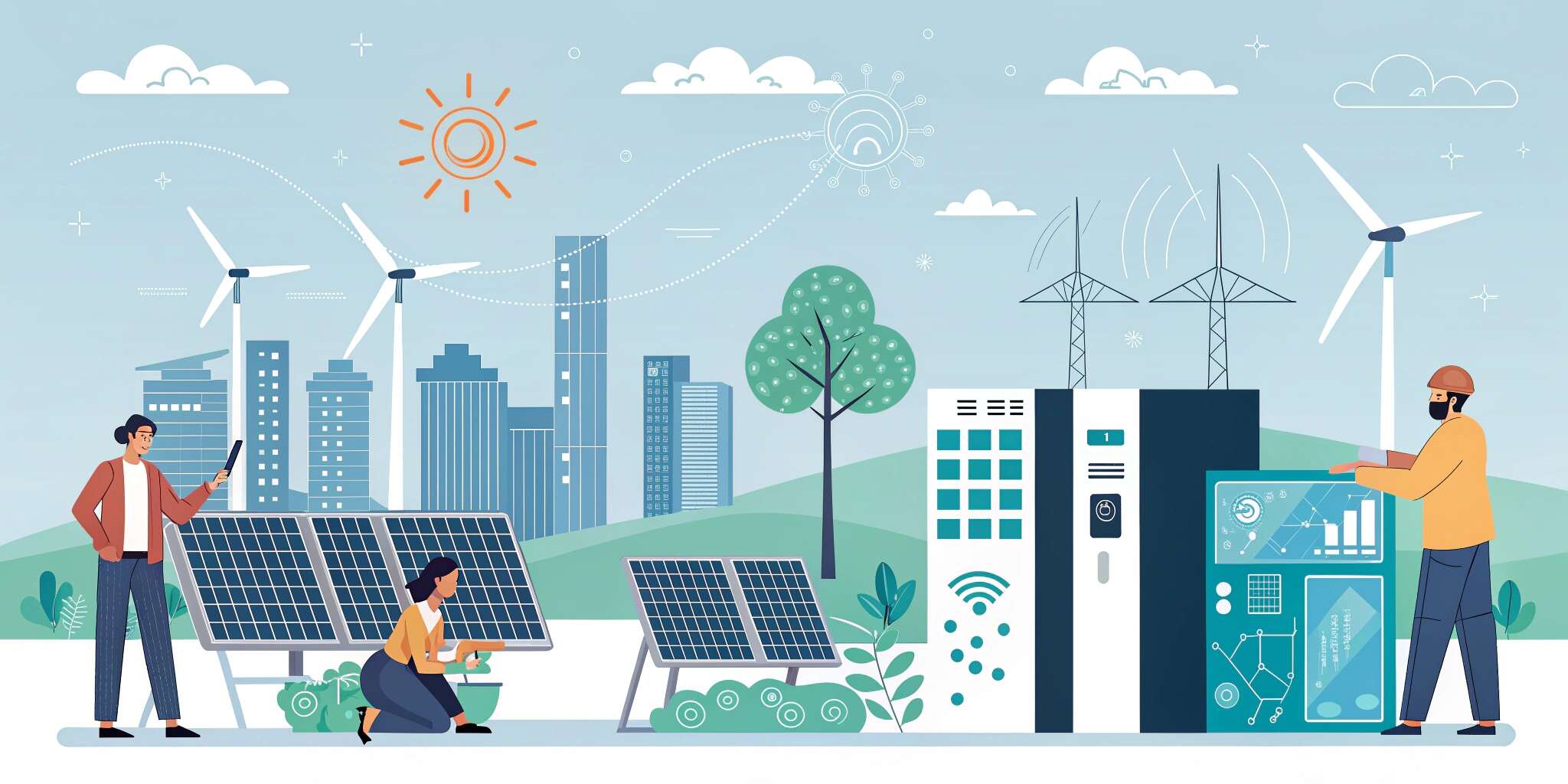
The renewable energy sector relies heavily on IT innovations.
- Smart Grids: IT systems balance supply and demand, integrate renewable sources, and minimize energy loss.
- Predictive Maintenance: AI ensures solar panels and wind turbines operate efficiently, reducing downtime.
- Energy Trading Platforms: Blockchain and IT-driven platforms enable peer-to-peer renewable energy trading, making green energy more accessible.
These innovations are making renewable energy adoption more efficient and affordable.
6. Challenges and the Way Forward
While IT is a powerful enabler of climate tech, challenges remain:
- Energy Consumption of IT Infrastructure: Data centers consume vast amounts of electricity.
- Digital Divide: Unequal access to technology limits global participation in climate tech.
- Cybersecurity Risks: Connected systems like smart grids are vulnerable to cyberattacks.
Addressing these challenges requires investment in green IT practices, energy-efficient infrastructure, and robust cybersecurity measures.
Conclusion
The role of IT in climate tech innovations is indispensable. From AI and IoT to cloud and smart grids, IT is driving sustainability, efficiency, and resilience in the fight against climate change. As organizations, governments, and innovators continue to embrace digital transformation, IT will remain a cornerstone of global climate action.
The path to a greener future is digital, and IT will be one of the most powerful tools to achieve it.