Main Content
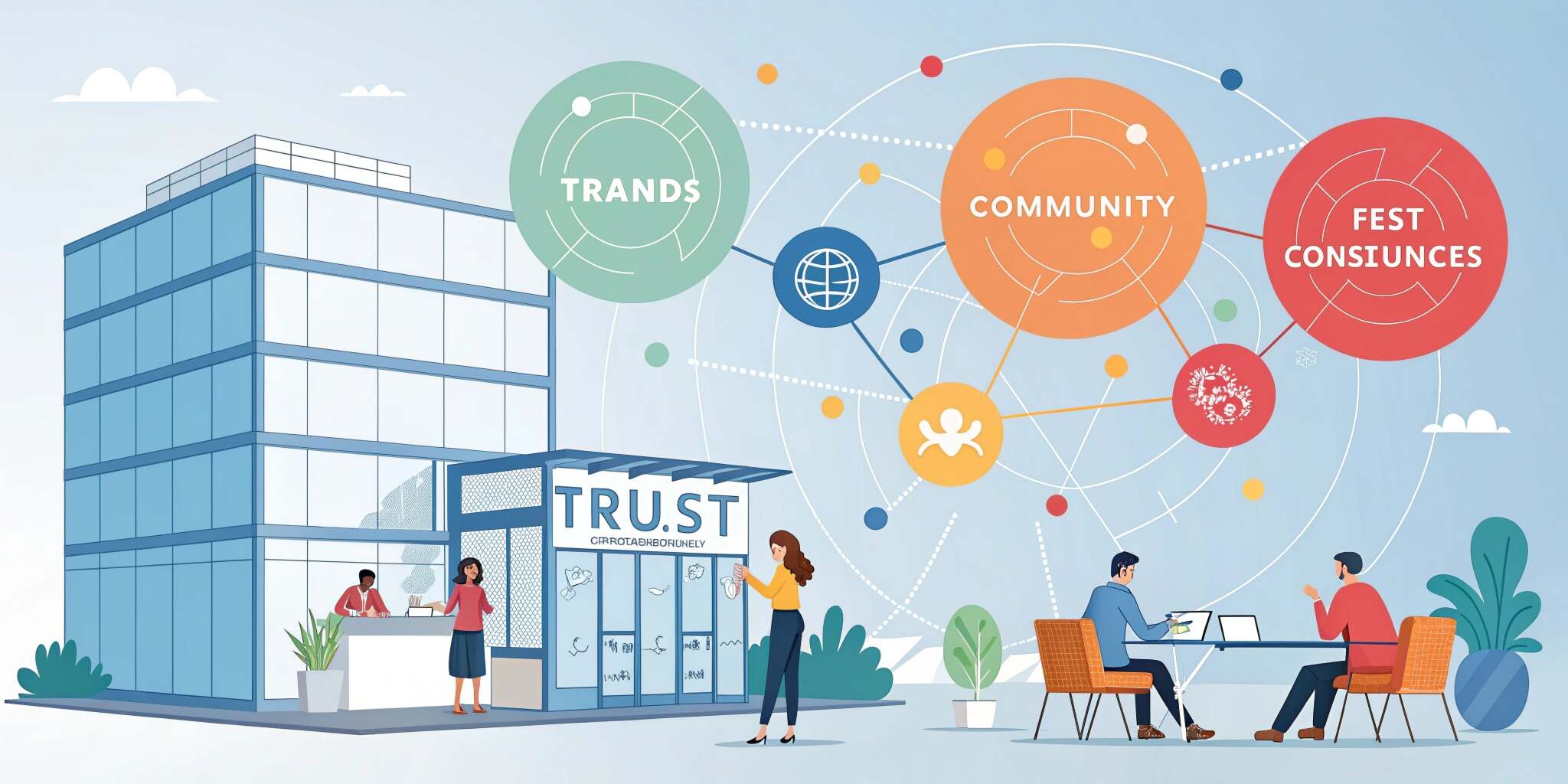
The digital marketing landscape is undergoing a major transformation. Traditional influencer marketing, driven by celebrities and massive follower counts, is steadily giving way to a more human, trust-focused approach known as influence and community marketing. In 2026, audiences care less about who has the biggest platform and more about who feels real, relatable, and aligned with their values.
From Mass Influence to Meaningful Impact
Earlier, brands focused on reach—millions of followers, viral posts, and one-off promotions. While effective in the short term, these strategies often lacked authenticity. Today’s consumers are smarter, more skeptical, and deeply value transparency. This shift has pushed brands to rethink their marketing approach and prioritize meaningful influence over mass influence.
Micro-influencers and nano-influencers, who typically have smaller but highly engaged audiences, are now leading the way. Their recommendations feel genuine, their interactions are personal, and their communities trust them. As a result, engagement rates and conversions are often significantly higher than those driven by celebrity influencers.
The Rise of Community-Centric Marketing
Community marketing goes beyond promotion—it’s about belonging. Brands are no longer just sellers; they are becoming facilitators of conversations and shared experiences. Online communities on platforms like Discord, Telegram, Reddit, LinkedIn Groups, and private Instagram spaces allow brands to interact directly with their audience.
These communities help brands gather feedback, test ideas, and create emotional connections. When customers feel heard and valued, they naturally evolve into brand advocates. This advocacy, powered by word-of-mouth and peer recommendations, is one of the most powerful marketing forces today.
Authenticity Is the New Currency
Modern audiences can instantly spot scripted promotions. That’s why authenticity has become the backbone of influence marketing. Successful brands collaborate with creators who genuinely use and believe in their products, rather than pushing forced endorsements.
User-generated content (UGC) plays a major role here. Reviews, testimonials, behind-the-scenes stories, and real-life use cases build trust far more effectively than polished ads. Brands that encourage honest storytelling—both positive and constructive—gain long-term credibility.
Long-Term Creator Relationships
Another major shift is the move from one-time influencer campaigns to long-term partnerships. Brands are now treating creators as collaborators rather than promotional tools. This allows creators to deeply understand the brand, communicate its values consistently, and build a stronger narrative over time.
These ongoing relationships also help maintain brand consistency and trust. When audiences repeatedly see a creator engaging with the same brand, it reinforces authenticity and loyalty.
Data, Trust, and Transparency
While community marketing is emotion-driven, data still plays a vital role. Brands are using analytics to understand community behavior, content performance, and engagement patterns. However, the difference now lies in how data is used—to improve experiences rather than manipulate attention.
Transparency about data usage, sponsored content, and brand intentions further strengthens trust. Ethical marketing practices are no longer optional; they are expected.
Why This Shift Matters for Brands
The shift in influence and community marketing is not just a trend—it’s a response to changing consumer behavior. People want connection, honesty, and shared values. Brands that embrace this shift enjoy higher engagement, stronger loyalty, and sustainable growth.
In 2026 and beyond, success will belong to brands that invest in people, nurture communities, and build trust-driven relationships rather than chasing vanity metrics.