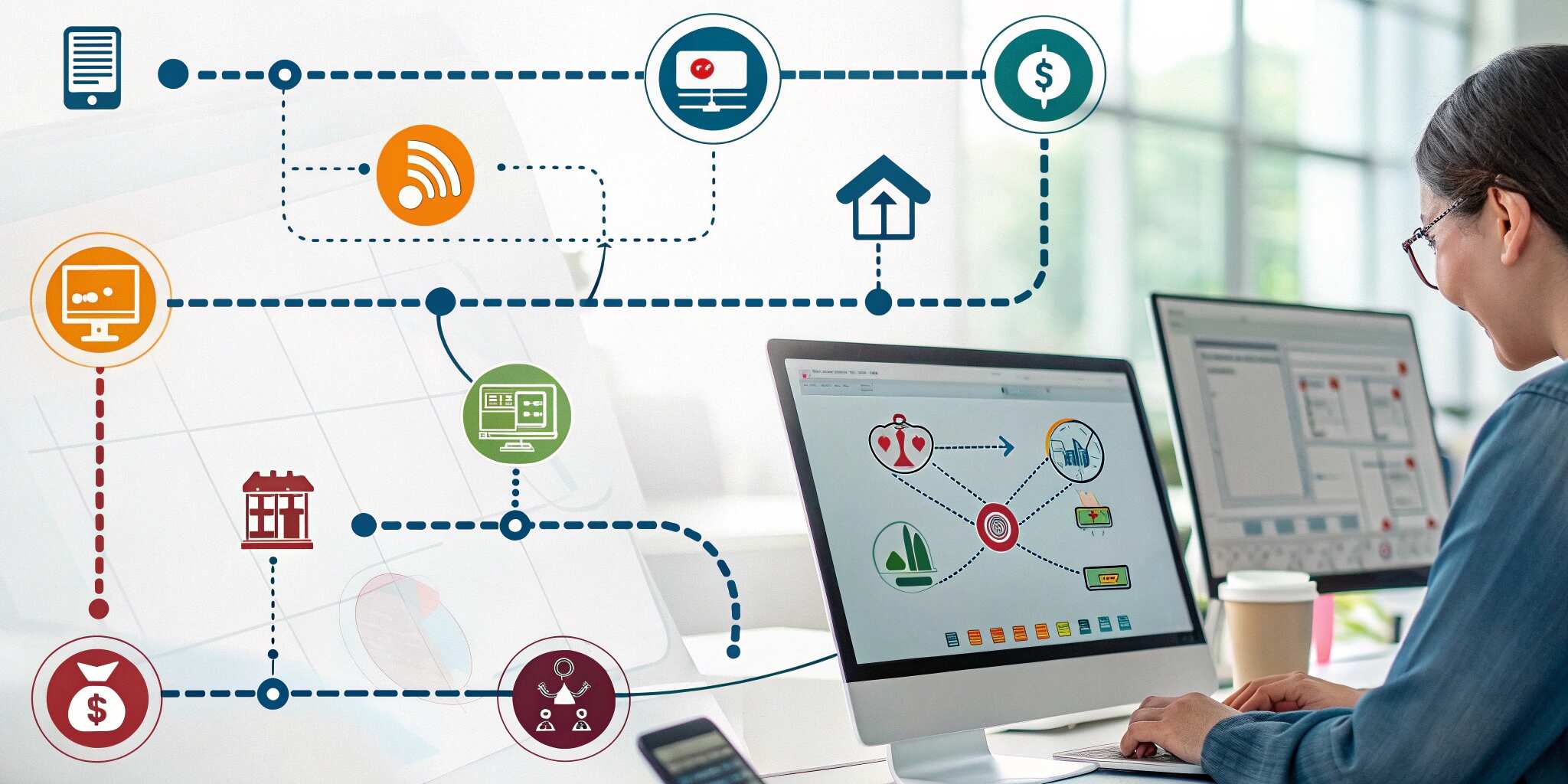
In today’s highly competitive IT marketplace, businesses no longer make quick, impulsive buying decisions. Instead, they go through a complex buying cycle that involves extensive research, product comparisons, peer recommendations, and vendor evaluations. To succeed, IT providers need to understand how potential customers move from awareness to decision-making. This is where tracking customer journeys in IT buying cycles becomes invaluable. By mapping out each touchpoint, businesses can gain insights into buyer behavior, refine marketing strategies, and improve overall sales performance.
What is the IT Buying Cycle?
The IT buying cycle refers to the process organizations go through when evaluating, selecting, and purchasing technology solutions. Unlike consumer purchases, IT investments involve multiple stakeholders, larger budgets, and longer evaluation periods. Typically, the IT buying cycle includes the following stages:
- Awareness: The customer identifies a problem or need, such as improving cybersecurity or upgrading infrastructure.
- Research & Consideration: The customer explores different solutions, evaluates vendors, and compares options.
- Decision: The customer selects a vendor based on pricing, features, trust, and support.
- Post-Purchase: The focus shifts to implementation, support, and long-term satisfaction.
Tracking the customer journey across these stages helps IT providers anticipate needs, address pain points, and align marketing strategies effectively.
Why Tracking Customer Journeys Matters in IT Buying Cycles
- Complex Decision-Making: IT purchases often involve CIOs, IT managers, finance teams, and end-users. Each stakeholder has different priorities, making it vital to understand their unique journeys.
- Longer Sales Cycles: Unlike consumer sales, IT decisions can take weeks or months. Tracking ensures no opportunity slips through cracks during this extended process.
- Personalized Engagement: Journey tracking reveals customer intent, enabling tailored communication that resonates with decision-makers.
- Better ROI on Marketing Efforts: By identifying which channels drive conversions, businesses can allocate resources to the most effective strategies.
Methods to Track Customer Journeys in IT Buying Cycles
- CRM Systems: Customer Relationship Management platforms capture interactions across email, calls, and demos, giving a 360-degree view of the buyer’s path.
- Marketing Automation Tools: Platforms like HubSpot and Marketo track customer activity such as website visits, whitepaper downloads, and webinar attendance.
- Analytics Tools: Google Analytics, heatmaps, and intent data platforms help analyze online behavior to identify where prospects drop off.
- Feedback and Surveys: Direct input from prospects and clients provides valuable insights into their experience and decision-making process.
- Account-Based Marketing (ABM): In B2B IT sales, ABM strategies personalize outreach for target accounts, tracking engagement across multiple stakeholders.
Key Touchpoints in the IT Buying Journey
Understanding where and how customers interact with IT providers is critical. Common touchpoints include:
- Company website and product pages
- Case studies, whitepapers, and eBooks
- Webinars, demos, and free trials
- Industry events and tech expos
- Peer reviews on platforms like G2 or Gartner
- Consultation calls with IT experts
By mapping these touchpoints, businesses can identify what drives engagement and refine their strategies accordingly.
Best Practices for Tracking and Optimizing IT Buying Cycles
- Map Multi-Stakeholder Journeys: Ensure tracking systems capture engagement from all decision-makers, not just the primary contact.
- Align Sales and Marketing Teams: Collaboration between teams ensures consistent messaging and seamless handoffs.
- Leverage Data-Driven Insights: Use analytics to predict buying intent and personalize offers.
- Nurture Leads with Relevant Content: Provide value at each stage with resources like security guides, ROI calculators, and implementation roadmaps.
- Continuously Improve: Track post-purchase engagement to strengthen long-term relationships and secure renewals.
Conclusion
The IT buying cycle is complex, but with proper customer journey tracking, businesses can navigate it effectively. By leveraging CRM systems, analytics tools, and ABM strategies, IT providers can gain insights into customer behavior, engage multiple stakeholders, and tailor solutions that align with real needs. Ultimately, this not only shortens sales cycles but also builds stronger, trust-based customer relationships.
In a market where competition is fierce and buyers are more informed than ever, tracking the customer journey is not just an option—it is a necessity for sustainable success in the IT industry.