In today’s connected world, the boundaries between devices, homes, and technology are blurring. Android’s ecosystem has grown beyond smartphones and tablets, extending into the realm of the Internet of Things (IoT) and smart TVs. With the introduction of Android Things and Google Home integration, developers can now build intelligent, interconnected devices that enhance user experiences through automation, voice commands, and AI-driven insights.
Android Things, Google’s IoT platform, was designed to provide developers with a powerful and secure environment to build smart devices using the Android framework. It simplifies the process of developing and managing IoT solutions by offering pre-built APIs, easy integration with Google services, and robust device management tools. Whether it’s a smart thermostat, connected refrigerator, or a home security system, Android Things allows developers to create scalable and reliable IoT products with minimal overhead.
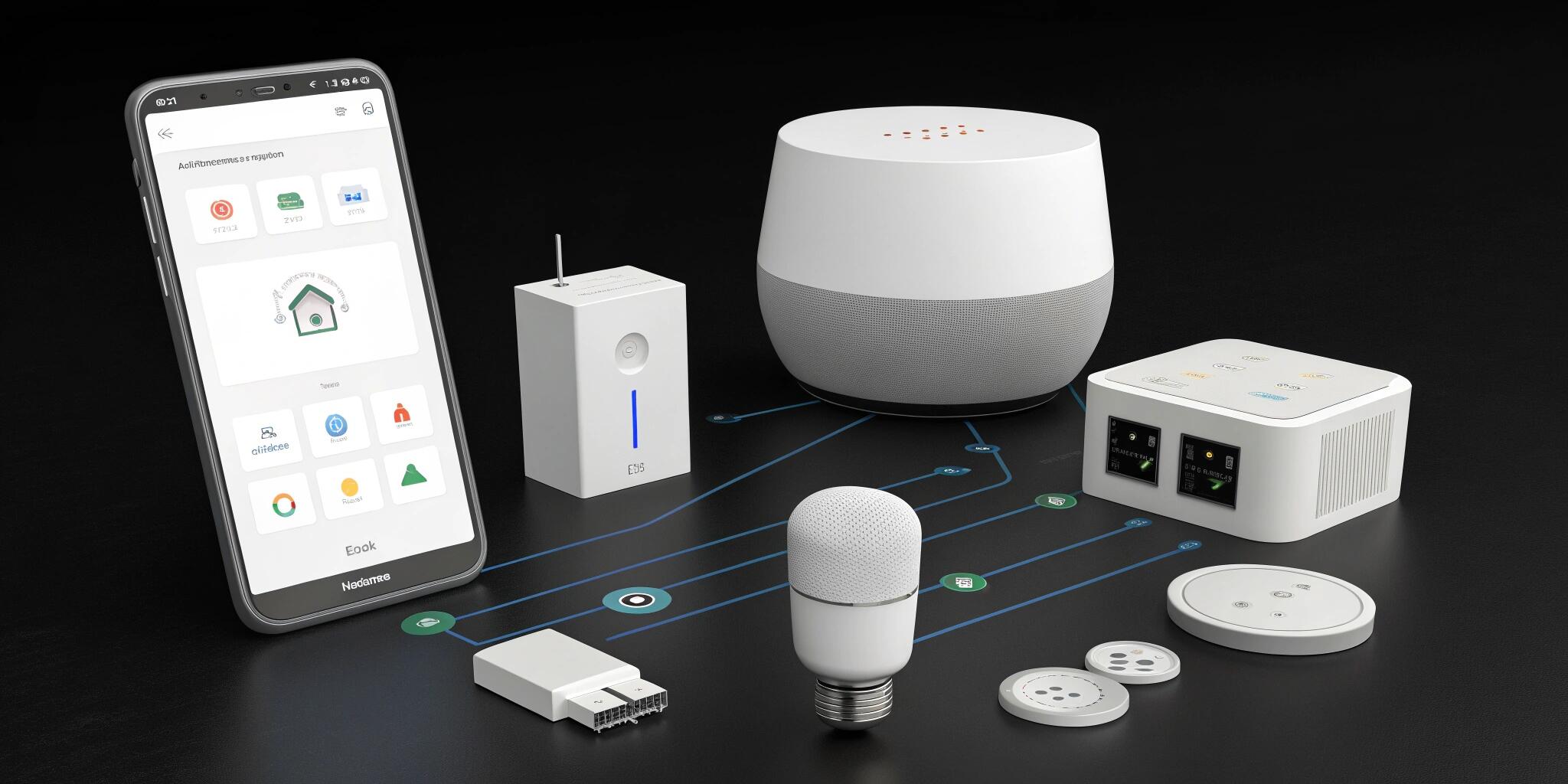
On the other hand, Google Home, powered by Google Assistant, acts as the central hub for smart home interactions. When integrated with Android Things, it enables seamless communication between devices, allowing users to control everything from lighting and temperature to entertainment systems using simple voice commands. This fusion of Android Things and Google Home empowers developers to design IoT applications that deliver convenience, personalization, and automation—all from a single, unified platform.
For TV development, the integration of Android Things with Android TV has opened new possibilities. Android TV runs on the same core system as Android smartphones, making it easier for developers to adapt apps for larger screens. With the addition of IoT and Google Home capabilities, smart TVs can now function as central control units for connected devices. Imagine pausing a movie using voice commands while dimming the lights or checking who’s at the door—all without leaving your couch. These experiences are now possible through the synergy between Android Things, Google Home, and Android TV.
From a developer’s perspective, working with these platforms offers several advantages. Android Things provides a consistent programming model using familiar tools like Android Studio and Java/Kotlin, while offering support for standard hardware interfaces such as GPIO, I2C, and SPI. Meanwhile, Google Home integration uses the Actions on Google platform, enabling developers to build voice-enabled experiences that connect with IoT devices. This makes it possible to build both consumer and enterprise solutions ranging from smart appliances to industrial IoT systems.
Security and scalability remain crucial in IoT and connected device development. Android Things supports secure boot, verified updates, and long-term support for devices through the Google Cloud IoT Core. This ensures that smart devices remain protected and up-to-date. Furthermore, developers can remotely manage fleets of connected devices, deploy updates, and gather performance insights—all while maintaining system integrity and user privacy.
The future of IoT and smart TV development lies in enhanced intelligence, automation, and interoperability. As AI models become more advanced, devices will learn from user habits and preferences, creating adaptive environments that anticipate needs and optimize energy use. For instance, a connected TV could recommend shows based on your schedule, while IoT sensors automatically adjust lighting or air conditioning based on activity levels.
In conclusion, Android Things and Google Home integration represent a significant step toward building a truly connected digital ecosystem. For developers, this combination offers endless opportunities to innovate in smart home technology, entertainment, and industrial automation. As IoT adoption continues to grow, leveraging these Android-based technologies will be key to delivering intelligent, secure, and user-friendly solutions that shape the future of connected living.