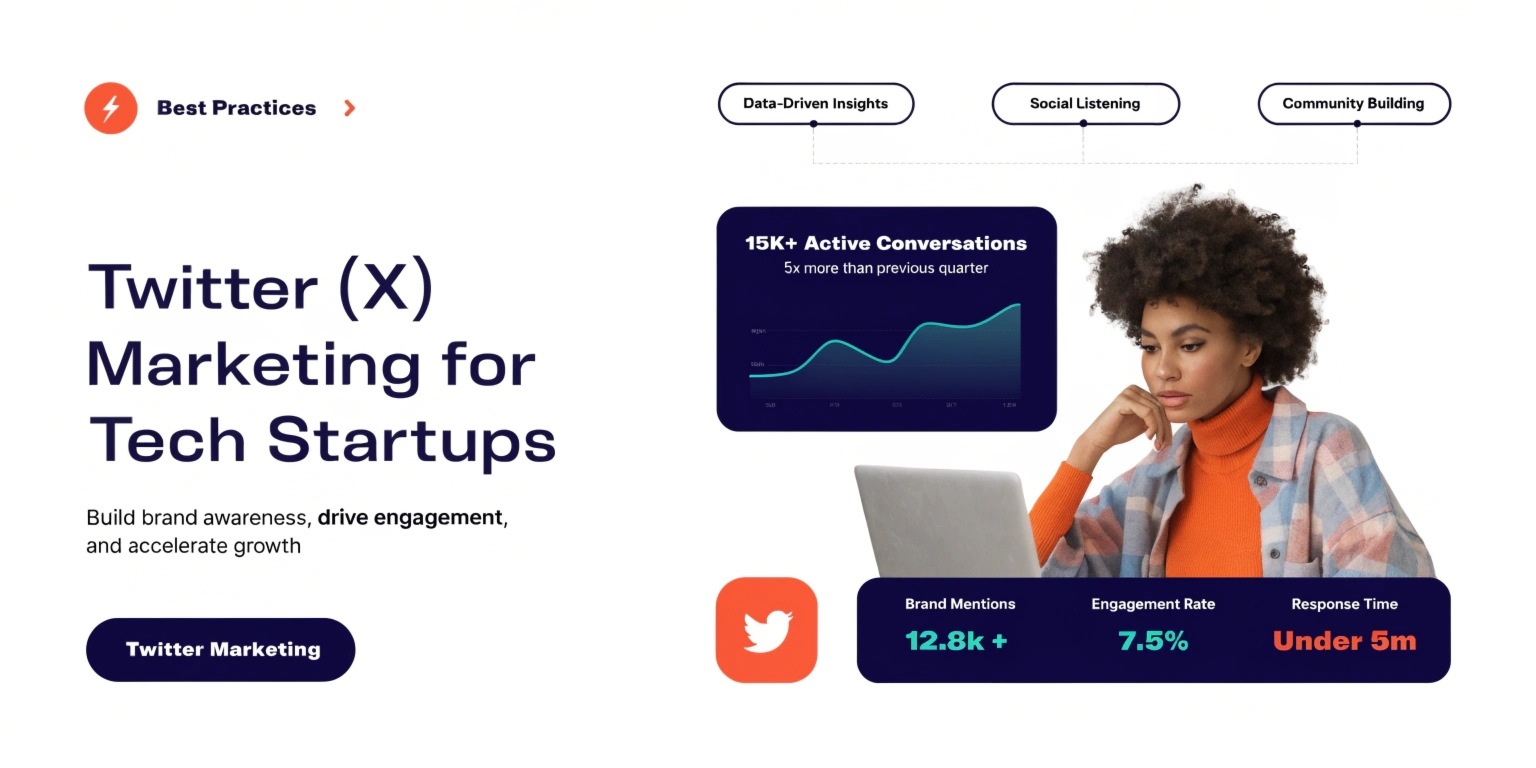
In today’s fast-paced digital ecosystem, platforms like X (formerly Twitter) have become powerful tools for tech startups to build visibility, connect with audiences, and scale rapidly. Unlike other platforms, X thrives on real-time conversations, making it ideal for startups looking to establish authority and engage directly with their target market.
Why Twitter (X) is Crucial for Tech Startups
For tech startups, speed and visibility are everything. X allows founders and brands to share updates instantly, participate in industry discussions, and showcase expertise. Whether you're launching a SaaS product or building an AI-based platform, X gives you direct access to investors, developers, and early adopters.
Additionally, many successful founders have built strong personal brands on X, which directly contributes to their startup’s growth. People don’t just follow companies—they follow stories, insights, and authenticity.
1. Build a Strong Brand Voice
Your startup’s voice on X should be consistent and relatable. Avoid overly corporate language. Instead, focus on clarity, value, and personality.
- Share insights from your journey
- Talk about wins and failures
- Simplify complex tech concepts
This helps humanize your brand and builds trust among followers.
2. Focus on Value-Driven Content
Content is the backbone of Twitter marketing. Tech startups should focus on:
- Educational threads (e.g., “How we scaled our backend to 1M users”)
- Industry insights and trends
- Product updates and feature launches
- Case studies and user success stories
Threads, in particular, perform extremely well because they keep users engaged and increase visibility.
3. Leverage Trending Topics Smartly
X is driven by trends. Startups can benefit by aligning their content with relevant trending topics in tech.
For example:
- AI trends
- Startup funding news
- Tech innovations
However, avoid forced participation. Only engage when the trend aligns with your brand and adds value.
4. Engage, Don’t Just Broadcast
One of the biggest mistakes startups make is treating X like a one-way communication channel.
Instead:
- Reply to comments
- Engage with industry leaders
- Participate in discussions
- Quote-tweet with insights
Engagement increases visibility and helps build relationships within your niche.
5. Use Founder-Led Marketing
People connect more with individuals than brands. Founder-led marketing is highly effective on X.
Encourage founders to:
- Share personal experiences
- Talk about startup challenges
- Provide industry opinions
This builds credibility and creates a loyal following that naturally extends to your startup.
6. Consistency is Key
Posting consistently is crucial for growth. A dormant account can quickly lose relevance.
Ideal posting strategy:
- 1–2 tweets daily
- 2–3 threads weekly
- Regular engagement throughout the day
Consistency signals activity and reliability, both important for audience trust.
7. Utilize Visual Content
While X is text-heavy, visual content still plays a key role.
Use:
- Infographics
- Product demos
- Short videos
- Screenshots of results or dashboards
Visuals increase engagement and make your content more shareable.
8. Analyze and Optimize Performance
Data-driven decisions are essential for scaling your Twitter strategy.
Track metrics like:
- Engagement rate
- Follower growth
- Link clicks
- Impressions
Use these insights to refine your content strategy and focus on what works best.
9. Build a Community, Not Just an Audience
Successful startups don’t just gain followers—they build communities.
You can do this by:
- Hosting Twitter Spaces
- Creating discussions
- Encouraging user-generated content
- Highlighting your users and customers
A strong community leads to organic growth and brand advocacy.
Conclusion
Twitter (X) is more than just a social media platform—it’s a growth engine for tech startups. By focusing on authentic communication, valuable content, and consistent engagement, startups can build a powerful presence that drives awareness, trust, and conversions.
In a competitive tech landscape, the startups that win are not just those with great products—but those that know how to tell their story effectively. And X provides the perfect stage to do just that.