Unity + Blockchain Gaming: Opportunities and Challenges in Building the Future of Web3 Games
The gaming industry has evolved dramatically over the last decade. From mobile gaming and cloud gaming to virtual reality and multiplayer experiences, innovation continues to reshape how players interact with digital worlds. Today, another revolutionary trend is emerging—the combination of Unity and blockchain technology.
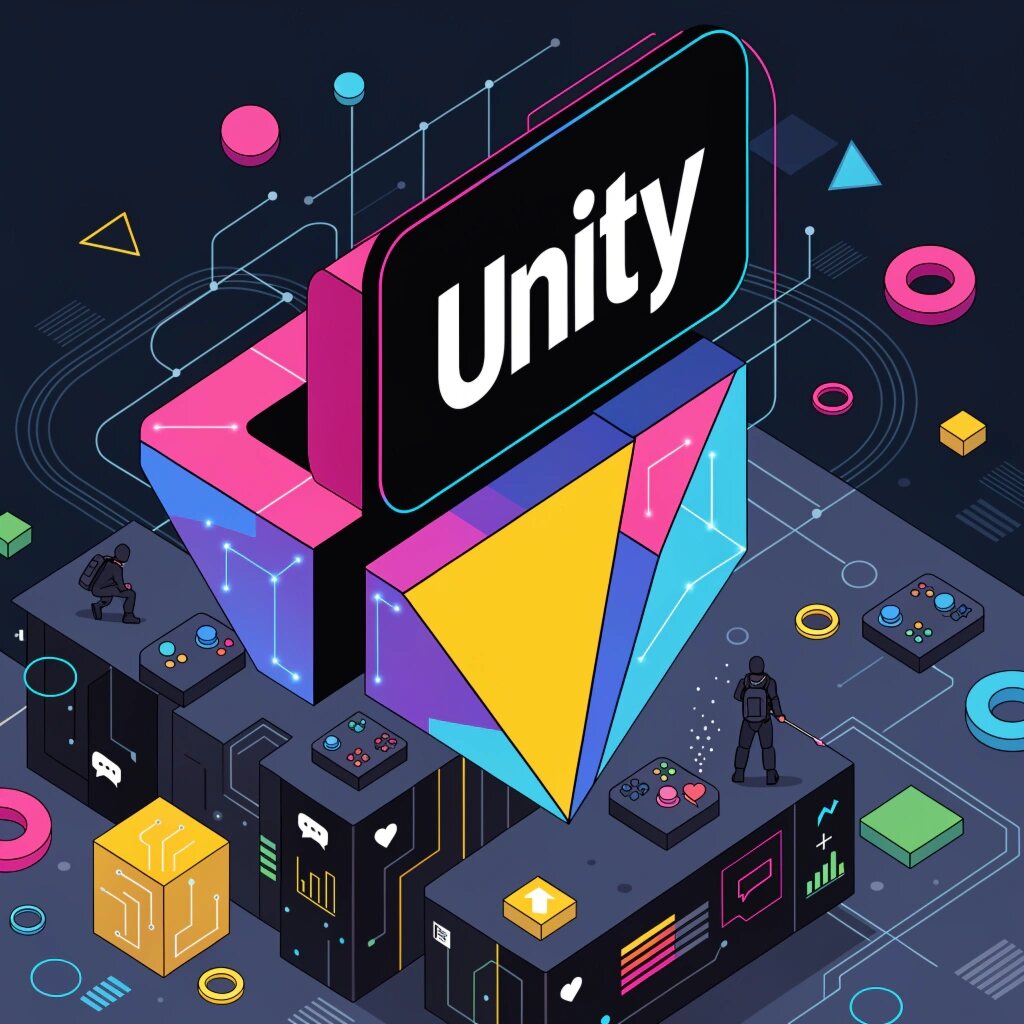
Blockchain gaming introduces true ownership of digital assets, decentralized economies, NFT collectibles, and play-to-earn ecosystems that fundamentally change the relationship between developers and players. Unity, one of the world's most popular game engines, provides the flexibility and performance needed to build immersive blockchain-powered games across multiple platforms.
However, integrating blockchain into Unity games is not without challenges. Developers must balance gameplay, security, scalability, user experience, and regulatory compliance.
Let's explore both the opportunities and challenges of Unity blockchain game development.
Why Unity is Ideal for Blockchain Gaming
Unity has become the preferred game engine for independent developers and enterprise studios because of its flexibility and cross-platform capabilities.
Key advantages include:
- Cross-platform deployment
- Powerful 2D and 3D rendering
- Large developer community
- Extensive Asset Store
- Multiplayer networking support
- VR and AR compatibility
- Rich scripting using C#
When blockchain functionality is added, Unity becomes an excellent platform for building next-generation Web3 games.
Opportunities in Unity Blockchain Gaming
1. True Digital Asset Ownership
Traditional games allow players to purchase skins, weapons, or collectibles, but those assets remain under the publisher's control.
Blockchain changes this by storing assets as NFTs on decentralized networks.
Players can:
- Own characters permanently
- Trade rare items
- Sell digital assets
- Transfer items between supported games
- Maintain ownership even if developers discontinue servers
This creates greater trust between developers and players.
2. Play-to-Earn (P2E) Gaming
Blockchain enables players to earn real-world value while playing.
Instead of simply unlocking achievements, players may receive:
- Cryptocurrency rewards
- NFT collectibles
- Governance tokens
- Marketplace commissions
- Tournament rewards
This economic model has attracted millions of players worldwide.
3. Decentralized Marketplaces
Blockchain allows players to buy and sell in-game assets without relying on centralized stores.
Benefits include:
- Secure transactions
- Transparent ownership history
- Reduced fraud
- Global accessibility
- Lower intermediary costs
Developers can also earn royalties from secondary NFT sales.
4. Transparent Game Economies
Traditional in-game economies often lack transparency.
Blockchain enables:
- Public transaction records
- Fair token distribution
- Transparent reward systems
- Verifiable rarity of collectibles
Players gain confidence knowing the game economy cannot be manipulated secretly.
5. Cross-Game Asset Compatibility
Future blockchain ecosystems may allow assets to move between multiple games.
For example:
- A weapon earned in one game could appear in another.
- Avatar skins may work across different virtual worlds.
- NFT collectibles could unlock exclusive experiences.
Although still developing, interoperability represents one of blockchain gaming's most exciting possibilities.
6. Stronger Community Participation
Many blockchain games include governance mechanisms.
Players can vote on:
- Game updates
- Economic adjustments
- Community events
- Marketplace rules
- Feature development
This creates a stronger sense of ownership and community engagement.
Challenges of Unity Blockchain Gaming
1. Scalability Issues
Public blockchains often struggle with:
- Slow transaction speeds
- Network congestion
- High gas fees
These issues can negatively affect gameplay if every action requires blockchain verification.
Many developers use Layer 2 networks such as Polygon or sidechains to improve performance.
2. Complex Wallet Integration
Unlike traditional games, blockchain games require players to connect crypto wallets.
Challenges include:
- Wallet setup
- Private key management
- Authentication
- Transaction approvals
For new users unfamiliar with cryptocurrency, this creates friction during onboarding.
Developers should prioritize intuitive wallet experiences to reduce barriers to entry.
3. Security Risks
Blockchain applications are attractive targets for hackers.
Potential threats include:
- Smart contract vulnerabilities
- Wallet theft
- NFT scams
- Fake marketplaces
- Token exploits
Comprehensive smart contract audits and secure coding practices are essential for protecting users.
4. Regulatory Uncertainty
Blockchain regulations vary significantly across countries.
Developers must consider:
- Cryptocurrency laws
- NFT taxation
- Digital asset regulations
- Consumer protection
- Data privacy compliance
Working with legal experts is increasingly important for global blockchain projects.
5. Balancing Gameplay with Economics
One of the biggest criticisms of blockchain games is that some prioritize earning over entertainment.
Successful games focus first on:
- Engaging gameplay
- Balanced progression
- Fair competition
- Quality storytelling
- Long-term player retention
Economic incentives should enhance—not replace—the gaming experience.
6. Environmental Concerns
Some blockchain networks consume significant energy.
Although many modern blockchains use energy-efficient Proof-of-Stake mechanisms, developers should carefully choose sustainable blockchain platforms to minimize environmental impact.
Best Practices for Unity Blockchain Development
To create successful blockchain games, developers should:
- Choose scalable blockchain networks.
- Design gameplay before implementing tokenomics.
- Conduct smart contract security audits.
- Optimize transaction frequency.
- Build user-friendly wallet onboarding.
- Protect player data.
- Monitor marketplace activity.
- Follow regional legal requirements.
- Regularly update security measures.
- Focus on long-term community building.
The Future of Unity and Blockchain Gaming
The future of gaming is increasingly decentralized. As blockchain infrastructure matures, players will expect greater ownership, interoperability, and transparency. Unity's robust development ecosystem, combined with blockchain innovations, positions developers to create immersive, player-centric experiences that go beyond traditional gaming models.
Emerging trends such as AI-powered NPCs, decentralized autonomous organizations (DAOs), metaverse integration, and cross-platform digital identities will further expand the possibilities for Unity-based blockchain games. Developers who embrace these technologies while maintaining a focus on gameplay quality, security, and accessibility will be well-positioned to lead the next wave of innovation in the gaming industry.
Conclusion
Unity and blockchain are transforming the gaming landscape by introducing decentralized ownership, digital economies, NFTs, and innovative player engagement models. While challenges such as scalability, security, wallet integration, and regulatory compliance remain, the opportunities far outweigh the obstacles for developers who approach blockchain thoughtfully.
By combining Unity's powerful game development capabilities with secure blockchain technologies and user-focused design principles, studios can create engaging, scalable, and future-ready Web3 gaming experiences that redefine how players interact with virtual worlds.