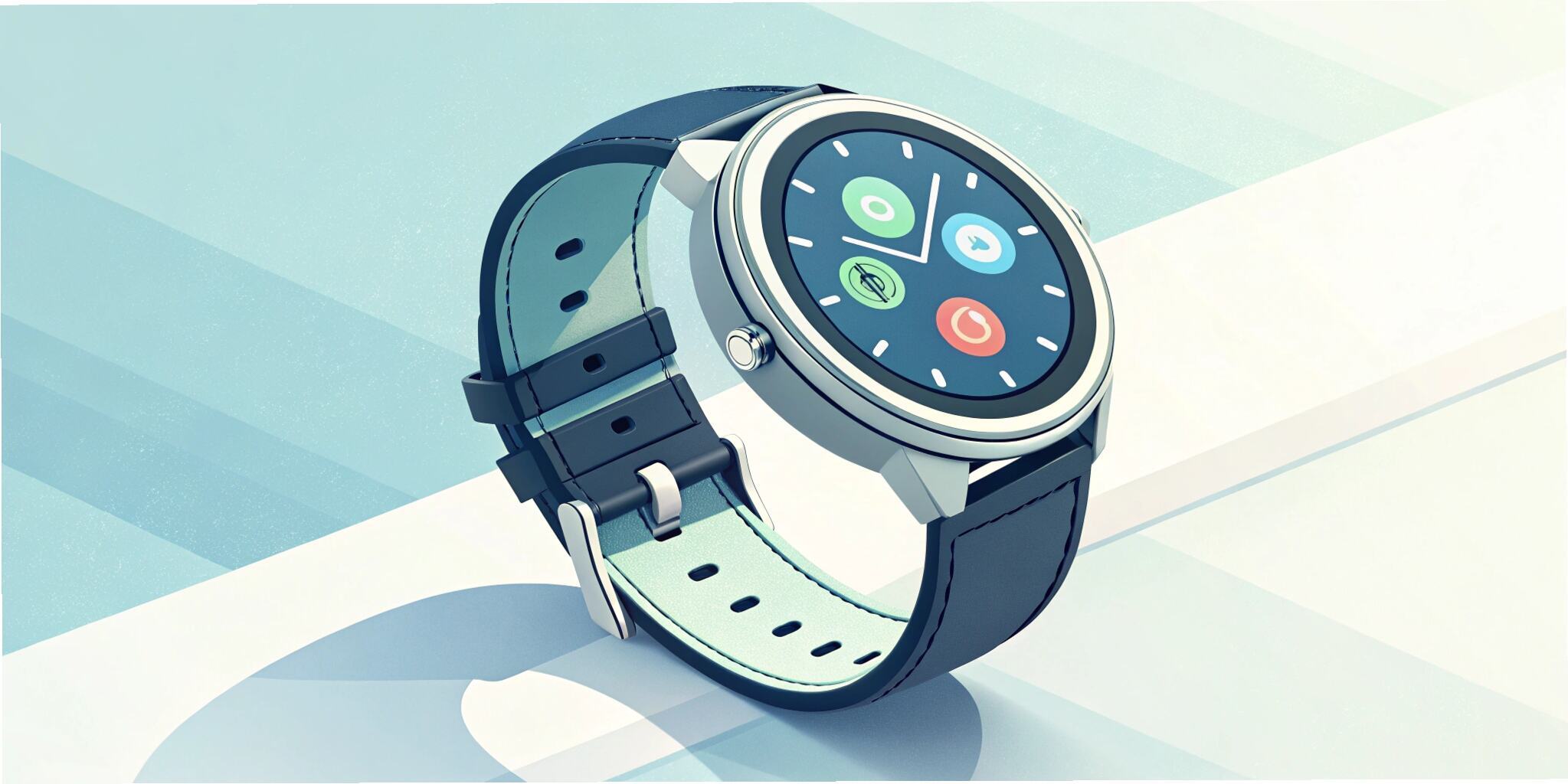
The wearable technology market is rapidly growing, and smartwatches are leading the way. Google’s Wear OS has become one of the most popular platforms for developing apps designed specifically for wearable devices. For Android developers, Wear OS provides a familiar yet innovative ecosystem that extends the functionality of apps from smartphones to wrists. This shift opens opportunities in health, productivity, communication, and lifestyle applications, making Wear OS development a vital area in mobile app innovation.
What is Wear OS?
Wear OS is Google’s operating system designed for smartwatches and other wearables. It is based on Android and supports features like notifications, health tracking, voice commands, and seamless app integration with mobile devices. Unlike standard Android apps, Wear OS apps must be lightweight, responsive, and tailored to smaller screens while still delivering meaningful functionality.
Why Develop for Wear OS?
Smartwatches have transitioned from niche devices to mainstream gadgets. Users expect apps that provide quick, context-driven information without pulling out their phones. Developing for Wear OS allows businesses and developers to:
- Expand reach by offering apps that work across mobile and wearable devices.
- Enhance engagement with features like step tracking, reminders, and notifications.
- Improve convenience through voice interactions and gesture-based controls.
- Integrate health and fitness data using built-in sensors like heart rate monitors and accelerometers.
Key Features of Wear OS Development
- Optimized UI for Small Screens – Apps must use adaptive layouts and simplified designs.
- Google Assistant Integration – Voice-enabled controls make smartwatch apps more intuitive.
- Sensor and API Access – Developers can leverage motion sensors, GPS, and biometric data.
- Notifications & Complications – Displaying live data like weather, steps, or calendar events directly on the watch face.
- Offline Functionality – Some apps can function independently without a smartphone.
Tools and Frameworks for Wear OS Development
- Android Studio: The primary IDE for building Wear OS apps.
- Jetpack Compose for Wear OS: A modern toolkit for creating smartwatch-friendly UI.
- Wearable Data Layer API: For syncing data between phones and watches.
- Tiles API: To create quick-access widgets for essential functions.
- Health Services API: For accessing fitness and wellness metrics.
Best Practices for Wear OS Development
- Keep it lightweight – Avoid resource-heavy processes that drain battery life.
- Prioritize essential features – Users expect quick actions, not full mobile experiences.
- Design with accessibility in mind – Use large touch targets and easy-to-read fonts.
- Leverage context-awareness – Apps should adapt based on time, location, and user activity.
- Test on multiple devices – Ensure compatibility across different smartwatch brands and screen sizes.
Use Cases of Wear OS Apps
- Fitness Tracking: Heart rate monitoring, workout logging, and sleep tracking.
- Productivity: Calendar reminders, quick replies to messages, and to-do lists.
- Healthcare: Real-time monitoring of patient vitals for medical applications.
- Entertainment: Music streaming controls and podcast playback.
- Navigation: Turn-by-turn directions directly on the wrist.
The Future of Wear OS Development
With advancements in 5G, AI, and health technologies, Wear OS is set to become even more powerful. Future smartwatches will likely integrate advanced biometric sensors, offer smoother standalone app experiences, and become vital tools in industries like healthcare, fitness, and enterprise productivity. Developers who adopt Wear OS today position themselves at the forefront of wearable innovation.
Conclusion
Wear OS development is more than just extending Android apps—it’s about creating experiences that feel natural, fast, and meaningful on a smartwatch. With proper tools, optimized design, and innovative use cases, developers can create apps that enhance everyday life while tapping into a rapidly growing market.